What Defines an Outdated Avionics System
An avionics system becomes outdated when it can no longer meet current operational requirements, integrate with modern technology, or maintain reliable manufacturer support. This does not always mean the system has failed outright. In many cases, it continues operating but lacks accuracy, redundancy, or compatibility with modern airspace requirements.
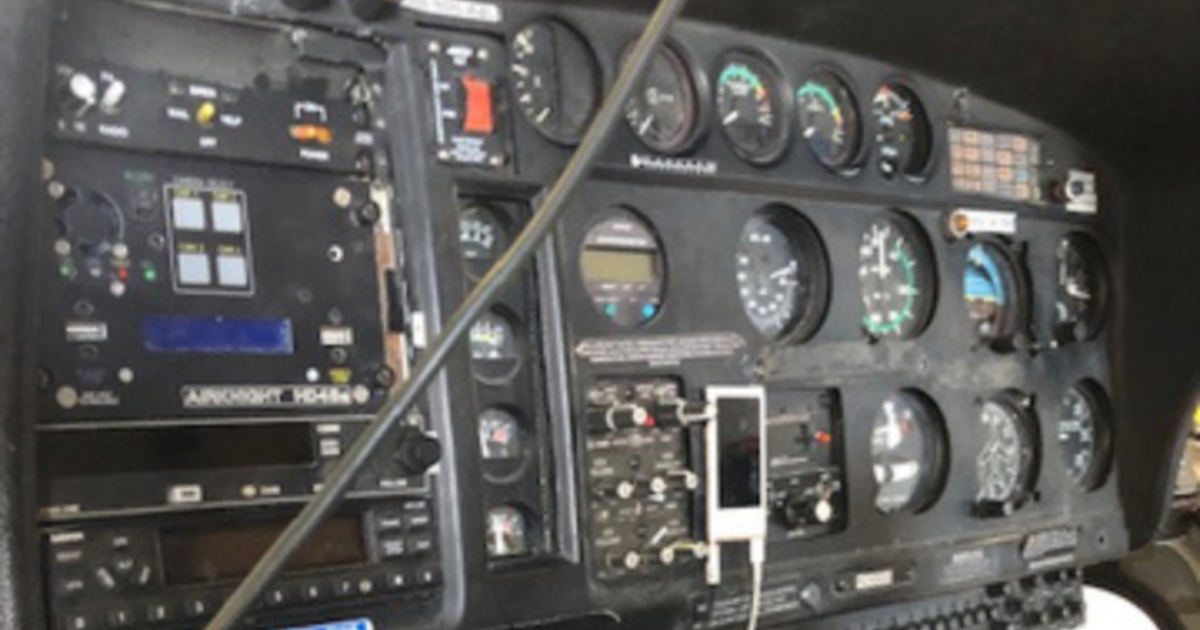
Common indicators include analog flight instruments, non-integrated navigation equipment, limited ADS-B capability, or avionics that rely on discontinued components. As manufacturers phase out older systems, parts availability and long term serviceability become increasing challenges.
Key Signs It Is Time for an Avionics Upgrade
Recurring Avionics Issues and Downtime
Frequent avionics squawks are often the first sign of aging systems. Intermittent radio failures, GPS dropouts, display flickering, or unreliable transponder performance point to components reaching the end of their service life.
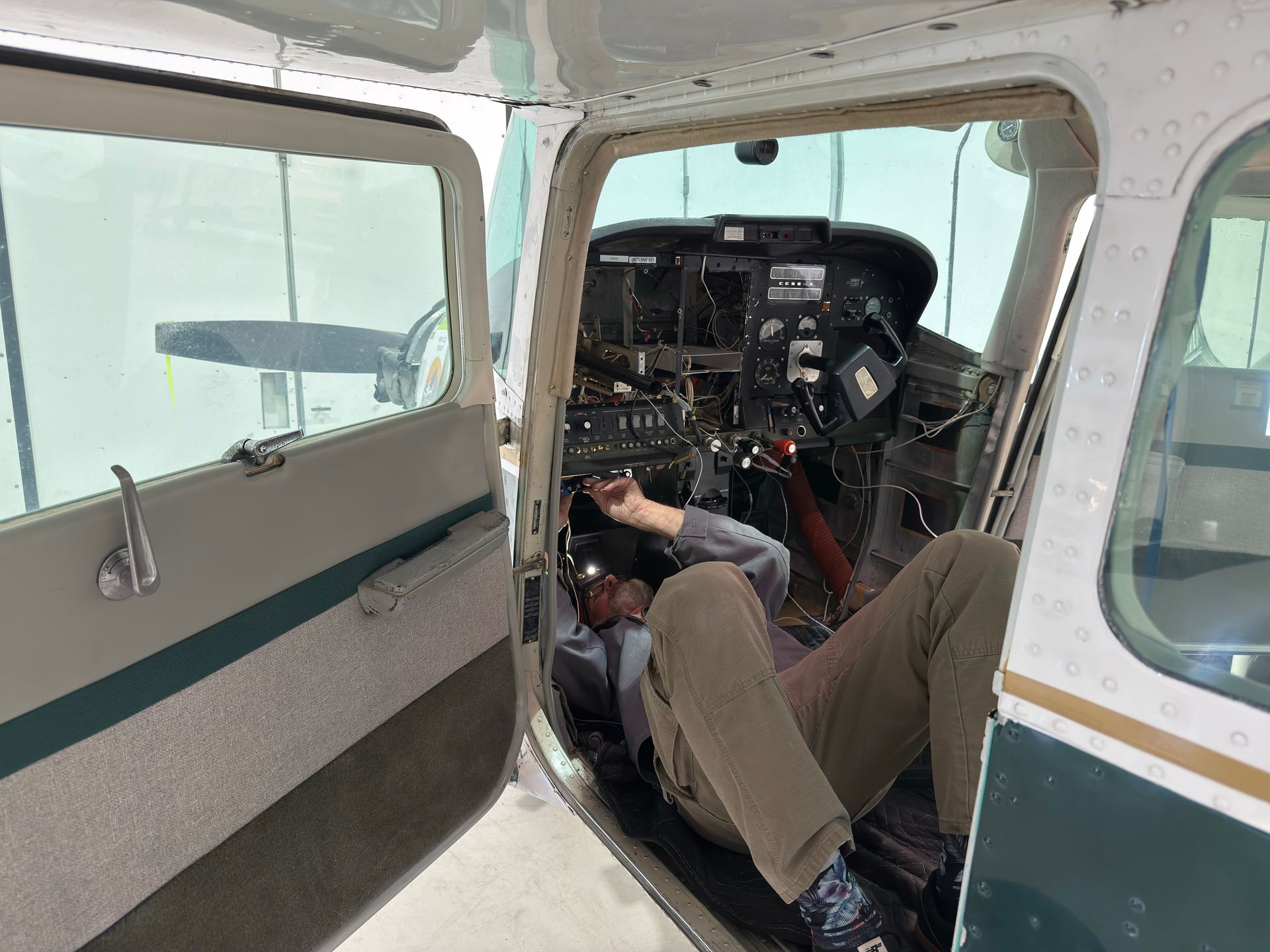
At Black Mountain Aviation, technicians regularly see aircraft grounded due to repeated avionics troubleshooting that ultimately results in higher cumulative costs than a planned upgrade. Modern avionics systems reduce unscheduled downtime and improve dispatch reliability, especially for commercial and mission-critical operators.
Difficulty Finding Replacement Parts
As avionics technology advances, manufacturers discontinue support for older units. This can result in long lead times for parts or reliance on used components with limited remaining life.
Upgrading to current generation avionics ensures continued manufacturer support, software updates, and readily available replacement components. This is especially important for aircraft operating under Part 135 or specialized operations where availability is critical.
ADS-B Compliance Without Integration
While many aircraft meet ADS-B Out requirements, outdated systems often operate as standalone solutions. This limits the value of traffic and weather data and increases pilot workload.
Modern avionics upgrades integrate ADS-B directly into primary flight displays and multifunction displays. This allows pilots to see real time traffic, airspace, and weather information in one place, improving situational awareness and reducing distractions.
Reduced Situational Awareness in the Cockpit
Older avionics typically distribute information across multiple instruments. Pilots must mentally integrate navigation data, engine information, terrain, and traffic from different sources.
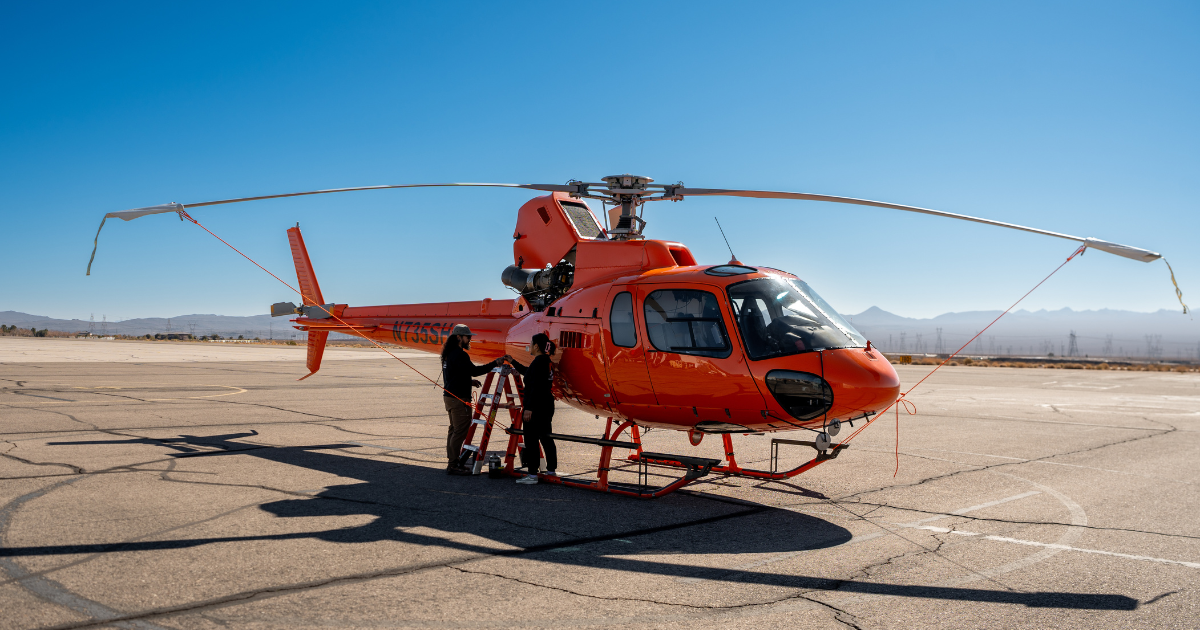
Modern glass cockpit solutions consolidate this data into intuitive displays. Features such as synthetic vision, terrain awareness, and traffic alerts work together to provide a clearer operational picture. This is particularly valuable for helicopter operations, low visibility environments, and mountainous terrain common throughout Nevada and the Southwest.
Limitations With IFR and Advanced Operations
Outdated avionics can restrict an aircraft’s ability to operate under IFR or utilize advanced navigation procedures. Legacy GPS systems may not support current instrument approaches or required redundancy standards.
An avionics upgrade can expand operational capability while ensuring compliance with current FAA requirements under regulations such as 91.411, 91.413, and ADS-B mandates. Black Mountain Aviation performs certified IFR and transponder testing as part of avionics evaluations and upgrade planning.
Lack of Integration With Modern Flight Tools
Pilots increasingly rely on electronic flight bags, digital charts, and real time flight planning tools. Older avionics systems often lack connectivity, forcing pilots to manually cross reference information.
Modern avionics systems offer wireless connectivity that integrates cockpit displays with tablets and external devices. This improves accuracy, efficiency, and overall cockpit workflow while reducing the risk of data entry errors.
The Benefits of Upgrading Your Avionics
Improved Safety and Reliability
Safety is the most compelling reason to upgrade avionics. Enhanced navigation accuracy, better traffic awareness, and integrated alerting systems significantly reduce operational risk.
At Black Mountain Aviation, avionics upgrades are approached with a safety first mindset, ensuring systems are properly configured, tested, and compliant with FAA standards before returning an aircraft to service.
Reduced Pilot Workload
Integrated avionics systems streamline cockpit management by centralizing information. Pilots spend less time managing equipment and more time focused on flight operations and decision making.
This reduction in workload is especially valuable during high stress phases of flight, adverse weather conditions, or time sensitive missions.
Long Term Cost Efficiency
Although avionics upgrades require an upfront investment, they often lower long term operating costs. Reduced maintenance events, improved reliability, and shorter troubleshooting times translate into real savings over the life of the aircraft.
Modern avionics can also increase aircraft resale value and marketability. Buyers consistently favor aircraft with updated, compliant systems that require minimal immediate investment.
Regulatory Confidence and Future Readiness
Aviation regulations continue to evolve. Upgrading avionics ensures aircraft remain compliant with current requirements while preparing for future regulatory changes.
Proactive upgrades reduce the risk of last minute compliance issues and help operators maintain uninterrupted access to controlled airspace.
Choosing the Right Avionics Partner
Selecting the right avionics shop is just as important as choosing the right equipment. Avionics upgrades require precise engineering, certified installation, and thorough testing to meet Part 145 standards.
Black Mountain Aviation is a FAA-certified repair station located at Boulder City Municipal Airport, specializing in avionics installation, upgrades, and testing for helicopters and fixed wing aircraft. Their certified technicians work with modern avionics platforms, including systems from Garmin, and tailor solutions based on aircraft type and mission profile.
When to Schedule an Avionics Evaluation
If your aircraft is experiencing recurring avionics issues, limited capability, or compliance concerns, an avionics evaluation is the next logical step. Early evaluation allows operators to plan upgrades strategically rather than react to failures or deadlines.
An avionics assessment at Black Mountain Aviation includes a review of existing systems, operational goals, and regulatory requirements, followed by clear recommendations for upgrade paths and timelines.
Final Thoughts
Outdated avionics rarely fail all at once. Instead, they introduce small inefficiencies that compound over time into higher costs, reduced safety margins, and operational limitations. Recognizing the signs early allows aircraft owners to make informed decisions that protect both their aircraft and their mission.
A modern avionics upgrade is an investment in safety, efficiency, and long term reliability. With certified expertise and a safety driven approach, Black Mountain Aviation helps aircraft owners transition confidently into today’s avionics environment while preparing for the future.
FAA Certified Repair Station in Boulder City
Link to: https://www.bmaviation.net/aircraft-maintenance
Avionics Installation and Upgrades
Link to: https://www.bmaviation.net/avionics-installation
ADS-B and Transponder Testing Services
Link to: https://www.bmaviation.net/avionics-testing
Helicopter Avionics Services in Nevada
Link to: https://www.bmaviation.net/helicopter-maintenance