
Aircraft for Lease in Boulder City: What Helicopter Operators Should Ask Before Signing
Aircraft for Lease in Boulder City: What Helicopter Operators Should Ask Before Signing
Leasing a helicopter can be a practical solution for operators who need aircraft availability without the long-term financial commitment of purchasing. Whether you manage a commercial fleet, operate sightseeing flights, support utility operations, or need additional aircraft capacity, understanding the details of a lease agreement is essential.
If you are searching for aircraft for lease in Boulder City, choosing the right helicopter involves more than comparing availability and monthly payments. Aircraft condition, maintenance history, operational requirements, insurance responsibilities, and lease terms all influence the overall value of an agreement.
For aviation businesses throughout Southern Nevada, aircraft leasing in Boulder City offers an opportunity to explore flexible fleet solutions while accessing a regional aviation maintenance network.
At Black Mountain Aviation, an FAA-certified repair station located at Boulder City Municipal Airport, aircraft maintenance expertise and aviation inventory services support operators evaluating their aircraft needs. Before signing a lease, here are the questions every helicopter operator should consider.
1. Is the Helicopter Suitable for Your Intended Mission?
The first consideration is whether the aircraft can safely and efficiently accomplish its intended mission.
Not every helicopter is appropriate for every operating environment. Aircraft performance characteristics, equipment configurations, payload limitations, and operating requirements vary considerably.
For example, an aircraft used for sightseeing operations may have different requirements than one supporting aerial utility work or remote field operations.
When evaluating helicopter leasing options, ask:
- What specific missions is the aircraft configured to support?
- Does its performance meet anticipated operating conditions?
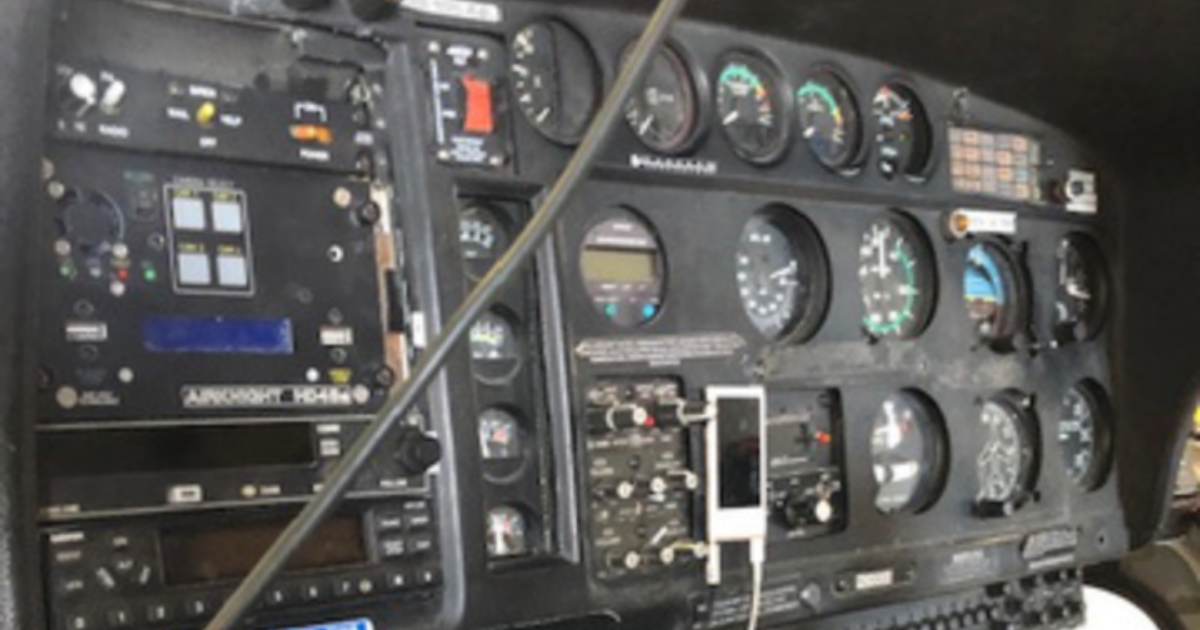
- Are the installed avionics appropriate for the intended operation?
- What equipment or modifications are included?
- Are there operational limitations that affect the proposed mission?
Operators working in Southern Nevada should also consider high temperatures, density altitude, terrain, and expected payload requirements.
These factors can influence aircraft performance, particularly during demanding summer operations.
The key question: Does the helicopter meet your actual operational requirements, not simply your preferred aircraft category?
A proper mission assessment helps prevent costly equipment mismatches and operational limitations after signing.
2. What Does the Aircraft's Maintenance History Reveal?
Maintenance documentation is one of the most important elements of any aircraft leasing decision.
Before accepting an aircraft, operators should request access to relevant maintenance records and have them reviewed by qualified aviation maintenance personnel.
A thorough review should consider the aircraft's inspection status, major component history, outstanding discrepancies, and applicable airworthiness directives.
Important records include:
- Airframe and engine operating times
- Inspection and maintenance history
- Life-limited component status
- Required overhaul status
- Airworthiness directive compliance
- Major repairs and alterations
- Current maintenance discrepancies
Under 14 CFR 91.417, applicable aircraft maintenance records must include information concerning inspection status, component times, life-limited parts, and airworthiness directive compliance. Incomplete documentation can complicate maintenance planning, aircraft acceptance, and future operations.
For operators evaluating aircraft leasing services in Nevada, maintenance transparency should be a priority.
An aircraft with well-organized records provides a clearer understanding of its current condition and future maintenance requirements.
3. Who Is Responsible for Aircraft Maintenance During the Lease?
Maintenance responsibility should never be assumed. One of the most important questions to resolve before signing is which party will arrange, perform, authorize, and pay for aircraft maintenance during the lease period.
Lease agreements may allocate responsibilities differently depending on the arrangement. Some agreements place substantial maintenance obligations on the lessee, while others assign specific responsibilities to the aircraft owner.
Before signing, determine:
- Who pays for scheduled inspections?
- Who covers unscheduled mechanical repairs?
- Who is responsible for life-limited component replacement?
- Who coordinates maintenance when the aircraft is away from its home base?
- How are maintenance discrepancies reported and resolved?
- What happens when required maintenance makes the aircraft unavailable?
For commercial helicopter operators, these questions directly affect operating budgets and aircraft availability.
A clear maintenance agreement protects both parties by establishing expectations before a maintenance event occurs.
It is also important to remember that contractual cost allocation does not eliminate applicable regulatory responsibilities.
4. What Are the Actual Costs of Helicopter Leasing?
The advertised lease payment represents only one portion of the total operating expense. When comparing aircraft leasing versus ownership, operators should evaluate the complete financial commitment rather than focusing solely on the initial payment.
Potential leasing expenses may include:
- Monthly or hourly lease payments
- Insurance premiums
- Fuel and consumables
- Scheduled maintenance
- Unscheduled repairs
- Component replacement expenses
- Hangar and parking fees
- Transportation or repositioning costs
- Required deposits and return expenses
Some agreements may also include minimum utilization requirements, hourly reserves, or additional charges associated with aircraft conditions at return. Ask for a detailed explanation of all charges and how they are calculated.
For example, a lower monthly payment may appear attractive until maintenance obligations, operating restrictions, or component reserves are considered.
Understanding the total cost of the lease helps operators develop accurate budgets and evaluate whether leasing is financially appropriate.
5. Is the Lease a Dry Lease or Wet Lease?
Understanding the legal structure of an aircraft lease is essential, particularly for commercial operations. A dry lease generally provides an aircraft without crew. A wet lease involves the provision of an aircraft and at least one crewmember.
However, the actual arrangement and who exercises operational control are more important than the label used in the contract.
The FAA explains in Advisory Circular 91-37B that operational control involves responsibility for initiating, conducting, and terminating flights.
The agency also cautions against arrangements that appear to be dry leases but effectively operate as unauthorized charter services.
Before agreeing to a lease, operators should establish:
- Who exercises operational control?
- Who provides and supervises the flight crew?
- Which operating regulations apply?
- What certifications or authorizations are required?
- Does the proposed arrangement comply with applicable FAA regulations?
Operators conducting commercial activities should obtain appropriate aviation legal and regulatory guidance before accepting an agreement.
Certain truth-in-leasing requirements apply to specified aircraft and arrangements under 14 CFR 91.23, but those requirements are not universal for every helicopter lease.
6. What Happens if the Aircraft Experiences Unexpected Downtime?
Aircraft availability is particularly important for operators working under demanding schedules. Unexpected mechanical issues can interrupt commercial flights, utility operations, and other aviation activities.
Before signing, ask what the agreement provides if the helicopter becomes unavailable because of a mechanical discrepancy or required maintenance.
Important questions include whether replacement aircraft may be available, whether lease payments continue during extended downtime, and which party coordinates repairs. Operators should also establish how maintenance events will be communicated.
Clear communication helps maintenance providers, aircraft owners, and operators coordinate the next steps. For companies managing seasonal or time-sensitive flight operations, downtime provisions may be among the most commercially significant terms in the lease.
7. Does the Lease Include Appropriate Insurance Coverage?
Insurance obligations should be documented before aircraft delivery. Helicopter operations can involve specialized risks, particularly when aircraft are used for commercial transportation, aerial utility work, or other demanding missions.
Coverage requirements may depend on aircraft type, operating activity, pilot qualifications, geographic limitations, and lease structure.
Questions worth asking include:
- Who purchases and maintains the insurance?
- What liability and hull coverage limits apply?
- Are the intended operations covered?
- Are additional insured parties required?
- How are deductibles and claims handled?
- Are geographic or operational exclusions applicable?
Operators should have their aviation insurance provider review proposed coverage and ensure that the policy aligns with the intended mission and contractual obligations.
Insurance should be evaluated as part of the full leasing cost, not as an administrative detail addressed after signing.
8. Can the Helicopter Be Modified or Upgraded?
Operational requirements sometimes change during a lease. An operator may need updated navigation equipment, additional communication capabilities, or another aircraft-specific modification.
However, leased aircraft generally cannot be modified without considering contractual permissions and applicable aviation requirements. Before signing, determine whether avionics upgrades or other modifications are permitted.
Also establish who approves the work, who pays for it, and whether installed equipment must remain with the aircraft when the lease ends.
Where applicable, modifications may require approved technical data, supplemental type certificates, inspections, and maintenance documentation.
For operators considering helicopter avionics upgrades, discussing requirements before aircraft delivery may prevent future scheduling delays and unnecessary expenses.
9. What Are the Lease Duration and Return Requirements?
Aircraft leasing agreements can vary considerably in duration and flexibility. Some operators require aircraft for a defined project, while others need an extended arrangement to support ongoing fleet operations.
Before committing, review the lease term, renewal provisions, termination conditions, and aircraft return requirements.
Pay particular attention to:
- Minimum lease duration
- Renewal and extension provisions
- Early termination charges
- Aircraft operating-hour restrictions
- Required maintenance condition at return
- Component time and condition requirements
- Return location and transportation expenses
The agreement should also address how aircraft conditions will be documented at delivery and return. A clearly defined return process reduces the likelihood of disputes over aircraft condition, maintenance expenses, or additional charges.
10. Should You Lease or Purchase a Helicopter?
The decision between aircraft leasing versus ownership depends on operational requirements, expected utilization, available capital, and long-term business objectives.
Helicopter leasing may be suitable when:
- Aircraft requirements are temporary or seasonal.
- Operators want to preserve capital.
- Fleet capacity needs to change periodically.
- A specific project requires additional equipment.
- Long-term aircraft ownership is not a business priority.
Purchasing may be more appropriate when:
- Aircraft utilization is consistent over many years.
- Operators want greater control over configurations.
- Long-term ownership supports financial objectives.
- Fleet requirements are relatively predictable.
Neither approach is automatically less expensive. An informed decision requires comparing the total costs, maintenance obligations, operational flexibility, financing considerations, and potential long-term value.
For businesses researching aircraft leasing services in Nevada, a mission-specific financial assessment is generally more useful than a simple comparison of monthly payments.
Why Consider Aircraft Leasing in Boulder City, Nevada?
Boulder City provides an established aviation setting for helicopter operators serving Southern Nevada and the broader Southwest.
Located near Las Vegas and Henderson, Boulder City Municipal Airport supports aviation activities in a region where helicopters serve tourism, transportation, utility, and specialized operational needs.
Black Mountain Aviation operates from Boulder City Municipal Airport at 1411 Airport Road, Suite 100.
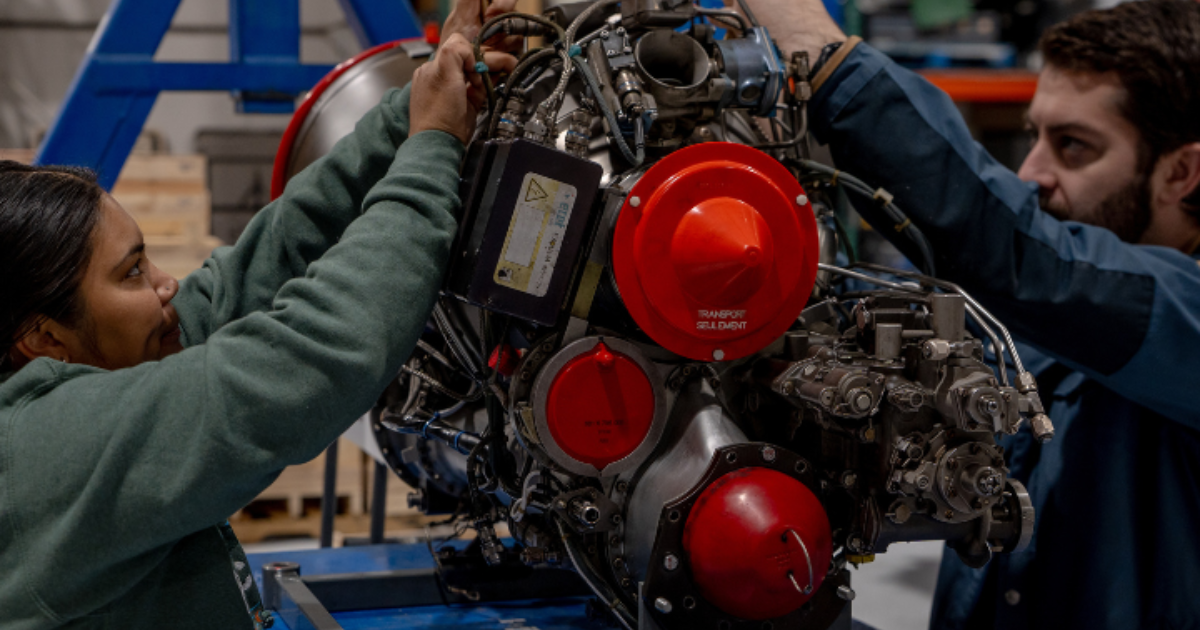
The company is an FAA-certified repair station specializing in Airbus and Safran maintenance, avionics services, aircraft components, and aviation inventory. Its website also identifies aircraft for lease as an inventory category.
For operators exploring aircraft for lease in Boulder City, access to aviation maintenance expertise can be valuable when assessing aircraft condition, serviceability, and future maintenance planning.
Individual aircraft availability, lease structures, pricing, and terms should be confirmed directly before making operational commitments.
Frequently Asked Questions About Aircraft Leasing
Can commercial helicopter operators lease aircraft in Nevada?
Yes. Commercial helicopter operators can enter into aircraft leasing arrangements, provided the aircraft, operating structure, operational control, and intended activities meet applicable FAA requirements. Leasing an aircraft does not independently authorize commercial flight operations.
What maintenance records should I review before leasing a helicopter?
Review applicable inspection records, airframe and engine times, component life limits, overhaul status, airworthiness directive compliance, major alterations, and unresolved discrepancies. A qualified aviation maintenance professional should assess the records and aircraft condition.
Is helicopter leasing less expensive than buying?
Leasing can reduce the capital required to access an aircraft, but it is not always less expensive over the long term. The financial comparison depends on utilization, lease payments, maintenance allocation, financing, insurance, and ownership costs.
Who pays for helicopter maintenance during a lease?
Maintenance expenses depend on the agreement. The aircraft owner and lessee should document which party is responsible for scheduled maintenance, unscheduled repairs, component replacement, and maintenance-related downtime.
Where can I inquire about aircraft for lease in Boulder City?
Black Mountain Aviation lists aircraft for lease among its aviation inventory offerings. Operators can contact the company directly to discuss current availability, aircraft suitability, and potential leasing arrangements.
Find Aircraft Leasing Solutions in Boulder City with Black Mountain Aviation
Choosing the right leased helicopter begins with asking the right questions. Aircraft suitability, maintenance documentation, operational control, insurance, operating costs, and contract responsibilities should all be evaluated before signing.
For operators considering aircraft leasing in Boulder City, working with an aviation business that understands aircraft maintenance and operational requirements can help support a more informed decision.
Black Mountain Aviation serves the aviation industry from Boulder City, Nevada, with aircraft maintenance, avionics, component services, aviation inventory, and aircraft leasing inquiries.
Whether you are expanding fleet capacity, evaluating an aircraft for a specific mission, or comparing helicopter leasing with long-term ownership, begin by reviewing your operational requirements and the available options. Contact Black Mountain Aviation to inquire about aircraft availability and discuss your aviation needs.
Black Mountain Aviation
1411 Airport Road, Suite 100 Boulder City, NV 89005
(702) 294-1044