What Is a Tail Rotor Spider Pitch Change Unit?
The tail rotor spider pitch change unit is associated with the helicopter's tail rotor head and tail rotor pitch-control system. At a high level, the tail rotor system must be able to change blade pitch so the pilot can control tail rotor thrust, which is fundamental to yaw control and directional control of the helicopter.
For maintenance and component sourcing purposes, terminology matters because the same component may be described in several different ways.
Black Mountain Aviation specifically identifies the following names as relevant:
- Tail Rotor Spider
- Tail Rotor Spider Pitch Change Unit
- Spider
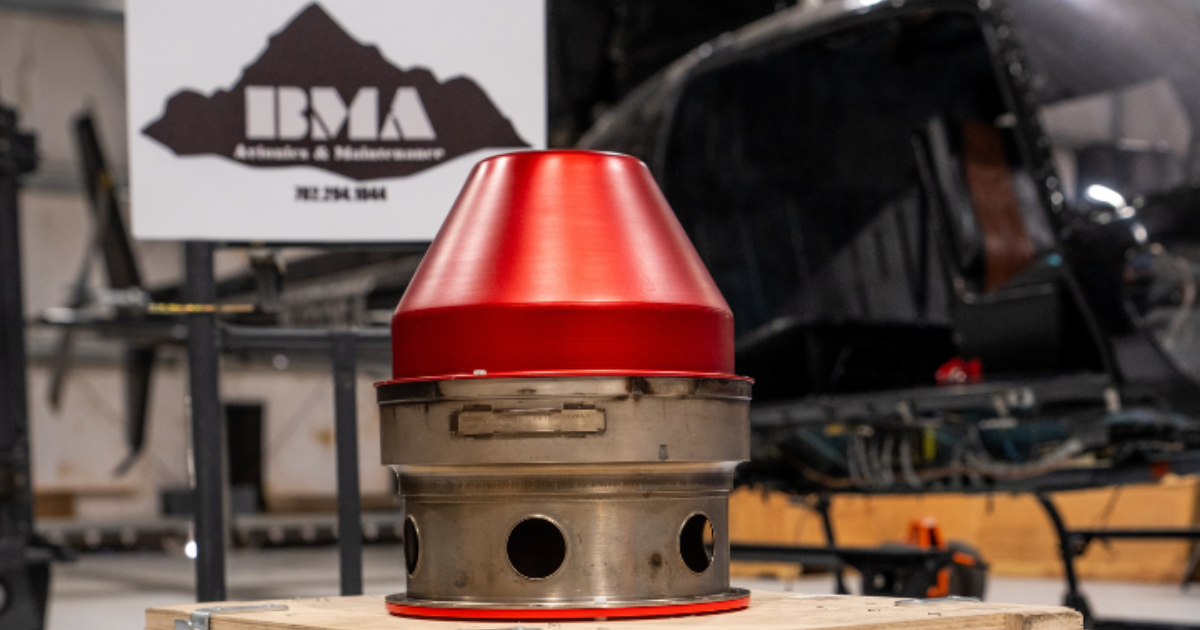
The FAA currently refers to the affected assembly as the tail rotor head, or TRH, pitch change unit in AD 2026-09-15. Rotorcraft Support, which lists Airbus dynamic-component capabilities, describes 350A33-2030-00 as a Pitch Change Spider Assembly and identifies inspection, repair, and exchange capability for that part number.
Which Tail Rotor Spider Part Numbers Are Relevant?
Black Mountain Aviation has identified three Tail Rotor Spider part numbers for its Component Overhaul Exchange strategy:
- 350A33-2030-00
- 350A33-2167-00
- 350A33-2167-01
These same part numbers appear in current regulatory documentation concerning the AS350 and AS355 helicopter families. FAA AD 2026-09-15 applies specific requirements to helicopters equipped with a tail rotor head pitch change unit carrying one of these part numbers.
This is an important example of why a request for "a spider" alone is not sufficiently specific when coordinating maintenance or an exchange. The maintenance provider needs to understand exactly which part is installed, which helicopter configuration is involved, and which technical and regulatory requirements apply.
Why Is Tail Rotor Spider Inspection Important?
Tail rotor system components require careful attention because their condition is directly connected to flight-control functionality. Recent regulatory action provides a useful example of why inspection requirements should always be evaluated against current airworthiness information rather than relying only on historic maintenance habits.
FAA AD 2026-09-15 was prompted by an occurrence in which an inspection of a tail rotor head pitch change unit identified excessive play and excessive wear associated with unwanted rotating motion. According to the FAA, the condition could affect tail rotor head pitch change control if it is not detected and corrected.
The current AD applies to Airbus Helicopters AS350 and AS355 models identified in the rule and includes requirements affecting units with part numbers 350A33-2030-00, 350A33-2167-00, and 350A33-2167-01. It superseded an earlier FAA directive after updated airworthiness limitations and maintenance tasks were issued.
For an operator, the key lesson is the correct approach is to confirm the aircraft model, installed component part number, applicable AD status, current Airbus Alert Service Bulletin, Airworthiness Limitations Section, Aircraft Maintenance Manual, and other approved maintenance data before work is performed.
What Should Be Checked During Tail Rotor Spider Maintenance?
The exact inspection procedure, limits, tooling, corrective actions, and return-to-service requirements must come from the current applicable maintenance data. A general article should not replace the Airbus maintenance instructions or the requirements of an FAA Airworthiness Directive.
At a planning level, however, the current FAA directive demonstrates the types of conditions that can make tail rotor pitch change unit maintenance important. The FAA's rule addresses subjects including installation condition, corrosion, wear, component condition, and specific alignment requirements associated with the affected assemblies.
The broader maintenance principle is straightforward. Operators should ensure that inspections are performed by appropriately qualified personnel using current technical data and that findings are evaluated before the aircraft is returned to service.
This becomes especially important when a component has been removed, installed, exchanged, repaired, or overhauled. Every maintenance event needs to preserve configuration accuracy, documentation, traceability, and compliance with applicable requirements.
When Should Operators Consider a Tail Rotor Spider Exchange?
A tail rotor spider exchange may be worth evaluating when an affected component requires removal and an appropriate serviceable exchange unit is available. Exchange can be particularly valuable when waiting for the aircraft's original component to complete inspection, repair, or overhaul would create an extended period of aircraft downtime.
Black Mountain Aviation specifically lists the Tail Rotor Spider among the components associated with its Component Overhaul Exchange service, alongside Anti Vibrator Assemblies, swashplates, and crossbeams.
An exchange does not bypass maintenance requirements. The replacement component still needs to be eligible for installation, correctly configured, properly documented, compliant with applicable airworthiness requirements, and suitable for the specific aircraft.
Current FAA requirements reinforce that point. AD 2026-09-15 includes installation limitations concerning the affected tail rotor pitch change unit part numbers, which means operators and maintenance providers must consider the current directive when evaluating an exchange or replacement unit.
The most useful question is therefore not simply, "Do you have a 350A33-2030-00 available?" A more complete discussion should address whether the available component is appropriate and eligible for the specific aircraft and maintenance event.
What Information Should You Provide for a Tail Rotor Spider Inquiry?
A detailed component inquiry can help a maintenance or component-support team evaluate the request more efficiently. This is particularly important when aircraft downtime is already accumulating and the operator is trying to avoid unnecessary delays.
Operators should be prepared to provide information such as:
- Aircraft make and model
- Aircraft serial number
- Installed Tail Rotor Spider part number
- Component serial number, if applicable
- Component time and relevant operating history
- Current maintenance status
- Reason for removal or inspection
- Applicable discrepancy information
- Maintenance records and supporting documentation
- Required component date
- Whether the inquiry concerns inspection, repair, overhaul, or exchange
Exact requirements will vary according to the aircraft and maintenance situation. Providing accurate information at the beginning helps the shop determine what technical documentation, availability, and next steps need to be reviewed.
Why Documentation and Traceability Matter
A helicopter component is not evaluated solely by whether it physically fits the aircraft. Maintenance history, configuration, component status, supporting records, applicable airworthiness requirements, and return-to-service documentation are all part of determining whether a unit is appropriate for installation.
That is especially important with a tail rotor spider pitch change unit because the component appears in current regulatory action. Operators considering part number 350A33-2030-00, 350A33-2167-00, or 350A33-2167-01 should make sure the maintenance organization evaluates the component against the current FAA requirements and applicable Airbus technical information.
Black Mountain Aviation operates as FAA Repair Station LVBR789X at Boulder City Municipal Airport. Its documented services include Airbus and Safran maintenance, rotorcraft powerplant and dynamic-component work, avionics services, field support, and aircraft component inventory.
For operators searching for helicopter component services in Nevada, that regulatory and maintenance environment is an important consideration alongside component availability.
Why Airbus and AStar Experience Matters
Component expertise becomes more valuable when technicians also understand the aircraft platform surrounding the component. A Tail Rotor Spider does not operate independently from the rest of the helicopter, so aircraft-specific experience can help technicians evaluate maintenance within the broader rotorcraft system.
Black Mountain Aviation's team includes substantial Airbus AStar experience. Wilson Piros brings more than 30 years of AStar experience and specializes in airframe component repairs and overhaul. Robert Fahnestock has more than 45 years of aviation experience, including heavy maintenance on AStars, while Thomas Taitano, Michael Ramit, Joel Collins, Patrick Contreras, Phillip Manalo, and other team members bring extensive Airbus, rotorcraft, Part 135, Part 145, and heavy-maintenance backgrounds.
Tail Rotor Spider Support in Boulder City, Nevada
Black Mountain Aviation is located at 1411 Airport Road, Suite 100, Boulder City, NV 89005, at Boulder City Municipal Airport, KBVU. It identifies rotorcraft component repair, component inventory, aircraft maintenance, and field services as part of the company's broader aviation capabilities.
For Black Mountain Aviation, content around the tail rotor spider, individual part numbers, inspection considerations, and Component Overhaul Exchange therefore serves two purposes. It gives aircraft operators useful information while building topical authority around the exact helicopter components the company supports.
Inspection, Exchange, and Support Should Work Together
Managing a tail rotor spider pitch change unit should not be separated into unrelated decisions about inspection, parts sourcing, and aircraft downtime. The strongest maintenance strategy connects all three.
Inspection establishes the condition of the installed component and determines what action is required under the applicable maintenance and regulatory information. Component planning determines whether inspection, repair, overhaul, replacement, or exchange is the practical path forward. Operational planning considers how that work affects aircraft availability.
That coordination is particularly relevant in 2026 because FAA AD 2026-09-15 directly addresses tail rotor head pitch change units with part numbers 350A33-2030-00, 350A33-2167-00, and 350A33-2167-01 on affected Airbus AS350 and AS355 helicopters. Operators should verify current applicability and compliance using the FAA directive, incorporated Airbus Alert Service Bulletins, and current approved aircraft maintenance data before performing or authorizing maintenance.
Black Mountain Aviation provides component and rotorcraft support from its FAA-certified facility in Boulder City, Nevada. For operators evaluating a tail rotor spider, tail rotor spider pitch change unit, spider, or specifically 350A33-2030-00, the next step is to identify the aircraft and installed component accurately, review the current maintenance status and records, and contact Black Mountain Aviation to discuss inspection, exchange availability, component support, and the maintenance requirements applicable to the aircraft.