
Safran Modules for Arriel Engines | BMA
Safran Modules Explained: Arriel 1D1, 2B, 2B1, and 2D Support for Helicopter Operators
For helicopter operators, engine support is one of the most important parts of keeping an aircraft safe, reliable, and mission-ready. When a rotorcraft is powered by a Safran Arriel engine, operators need to understand how Safran modules fit into long-term maintenance planning, component ordering, inspection schedules, and aircraft downtime management.
Black Mountain Aviation is located at 1411 Airport Rd, Suite 100, Boulder City, NV 89005, at Boulder City Municipal Airport. Black Mountain Aviation as a FAA-certified repair station, Certificate LVBR789X, with specialized experience in Airbus and Safran aircraft, avionics, rotorcraft powerplants, dynamic components, field support, inventory, and aircraft leasing.
For helicopter operators working with Arriel 1D1, Arriel 2B, Arriel 2B1, or Arriel 2D engine systems, understanding module identification, part numbers, documentation, traceability, and service planning is essential. In rotorcraft maintenance, the right module support can help reduce downtime, improve repair planning, and protect the safety and value of the aircraft.
What Are Safran Modules?
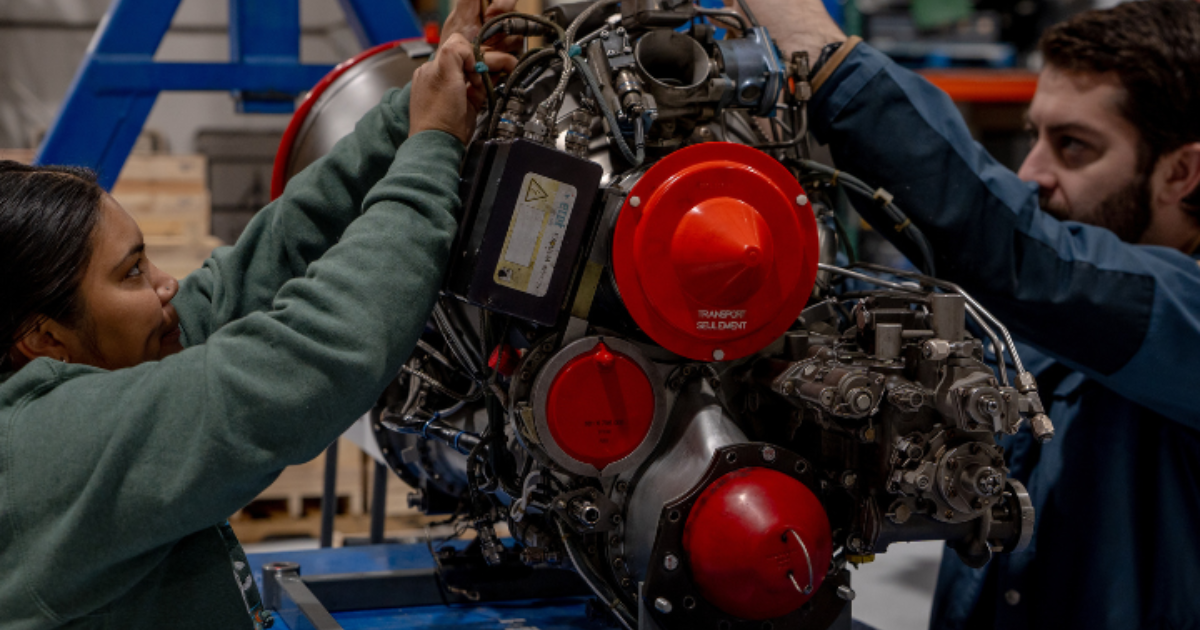
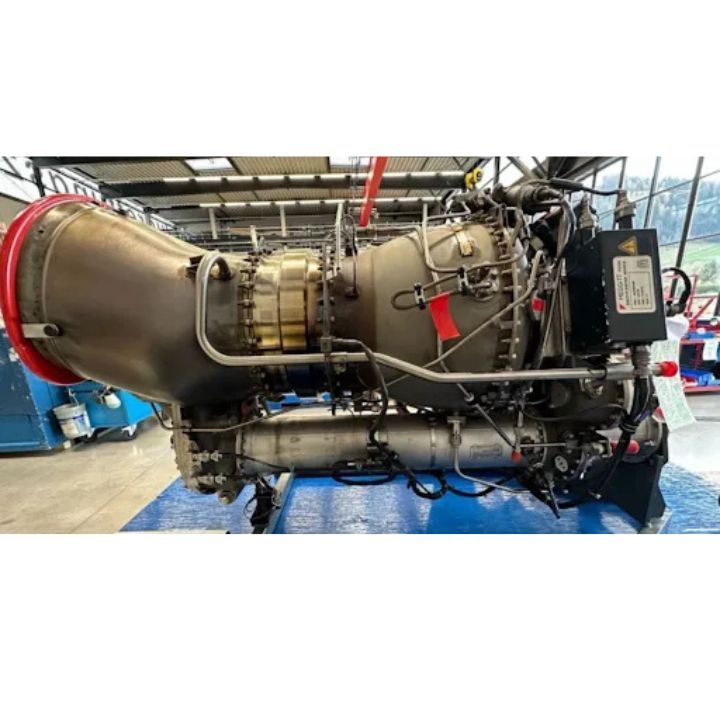
Safran modules are major engine sections or component groupings used within Safran helicopter engine systems. In practical terms, modules help maintenance teams identify, inspect, replace, repair, or exchange key sections of the engine with greater organization and accuracy.
For helicopter operators, this matters because engine maintenance is rarely as simple as replacing one generic part. A Safran Arriel engine may require support for a specific module, assembly, valve, control unit, shaft assembly, or related component. Each item must match the correct engine variant, aircraft platform, part number, and documentation requirement.
The Black Mountain Aviation identifies important module-related terms and engine variants, including Safran modules, Arriel 1D1, Arriel 2B, Arriel 2B1, and Arriel 2D. It also includes high-value part numbers tied to these systems.
For operators, the main goal is simple: confirm the correct module or component before ordering, repairing, exchanging, or scheduling maintenance.
Why Safran Module Knowledge Matters for Helicopter Operators
Helicopters often operate in demanding environments. They may support tourism, utility work, private transport, charter operations, commercial aviation, government support, forestry missions, or field logistics. Because rotorcraft are exposed to vibration, heat, load cycles, and frequent operating demands, engine reliability is critical.
Understanding Safran modules helps operators and maintenance teams:
- Identify the correct engine section
- Confirm part compatibility
- Reduce ordering mistakes
- Improve maintenance planning
- Support traceability
- Reduce aircraft downtime
- Plan component exchange options
- Protect aircraft records
- Support safer return-to-service decisions
- Improve long-term fleet reliability
For operators using Arriel 1D1, Arriel 2B, Arriel 2B1, or Arriel 2D systems, module knowledge is especially important because each engine variant may involve different component requirements.
Understanding Arriel 1D1 Support
The Safran Arriel 1D1 engine continues to power a variety of Airbus and Eurocopter rotorcraft, making it an important focus for operators seeking reliable rotorcraft maintenance, engine support, and component services. Proper maintenance planning for the Arriel 1D1 requires careful attention to part identification, component traceability, and manufacturer-approved maintenance procedures.
Common Arriel 1D1 components include Module 1 (70BM015420), Module 2 (70BM025020), Module 3 (70BM035420), the Free Wheel Shaft Assembly (0292907680), Fuel Control Unit (0164851320), and Overspeed Drain Valve (0174120180). These examples highlight the importance of verifying the exact part number before sourcing, installing, or exchanging any engine component.
For operators managing Airbus helicopters and other rotorcraft equipped with Arriel engines, part number accuracy is only one piece of an effective maintenance strategy. Aircraft records, component history, maintenance intervals, inspection requirements, and supporting documentation should all be reviewed before maintenance actions are performed. Taking a proactive approach to Arriel engine maintenance can help improve reliability, support regulatory compliance, reduce downtime, and keep aircrafts ready for missions.
Understanding Arriel 2B Support
The Safran Arriel 2B engine is widely used in rotorcraft operations and remains an important focus for operators seeking reliable engine maintenance, component support, and overhaul planning. Whether managing scheduled maintenance or addressing unexpected repairs, proper module identification and component verification are essential to maintaining aircraft safety and operational readiness.
Common Arriel 2B components include Module 1 (70BM012000), Module 2 (70BM022010), Module 3 (70BM032020), Module 4 (70BM041720), Module 5 (70BM052000), the Free Wheel Shaft Assembly (0292900020), and the Pump and Metering Valve (HMU) (0292861650). These examples demonstrate the importance of accurate part identification when sourcing replacement components or planning maintenance activities.
For operators of Airbus helicopters and other rotorcraft equipped with Arriel 2B engines, successful maintenance planning involves more than simply locating a replacement part. Components should be verified for compatibility, serviceability, documentation, traceability, and maintenance status before installation. By taking a comprehensive approach to Arriel 2B engine support, operators can help reduce downtime, improve maintenance scheduling, and keep aircraft available for critical operations.
Before ordering or exchanging an Arriel 2B module or component, operators should ask:
- Is the exact part number confirmed?
- Is the component new, overhauled, repaired, or serviceable?
- Is traceability available?
- Does the part match the installed engine configuration?
- Are there exchange options?
- What is the expected lead time?
- Is a core return required?
- Will additional inspections or testing be needed?
These questions help prevent aircraft downtime from growing because of avoidable ordering mistakes.
Understanding Arriel 2B1 Support
The Arriel 2B1 is closely related to the broader Arriel engine support conversation, but operators should never assume parts are interchangeable without verification. Even similar engine variants can have different requirements.
The research identifies Arriel 2B1-related items, including:
- 2B1 Module 1: 70BM010030
- 2B1 Pump and Metering Valve, also known as HMU: 0292862620
When working with Arriel 2B1 components, the same rules apply. Confirm the engine variant, verify the part number, check documentation, review traceability, and coordinate with a qualified maintenance provider before ordering.
For helicopter operators, this is especially important when aircraft are mission-critical. If a component is ordered incorrectly, the aircraft may remain grounded while the correct part is sourced. That delay can affect schedules, revenue, customer commitments, and field operations.
Understanding Arriel 2D Support
The Arriel 2D is another important search and service term for modern helicopter operators. While the specific component needs can vary by aircraft and configuration, the maintenance principles remain consistent.
Operators should approach Arriel 2D support with a focus on:
- Correct aircraft platform verification
- Engine variant confirmation
- Accurate part number identification
- Complete documentation review
- Component condition verification
- Traceability
- Lead time planning
- Maintenance schedule coordination
- Installation and inspection requirements
For any Safran-powered rotorcraft, the more information an operator has before ordering a module or component, the smoother the maintenance process can be.
Aircraft Platforms That May Require Arriel Support
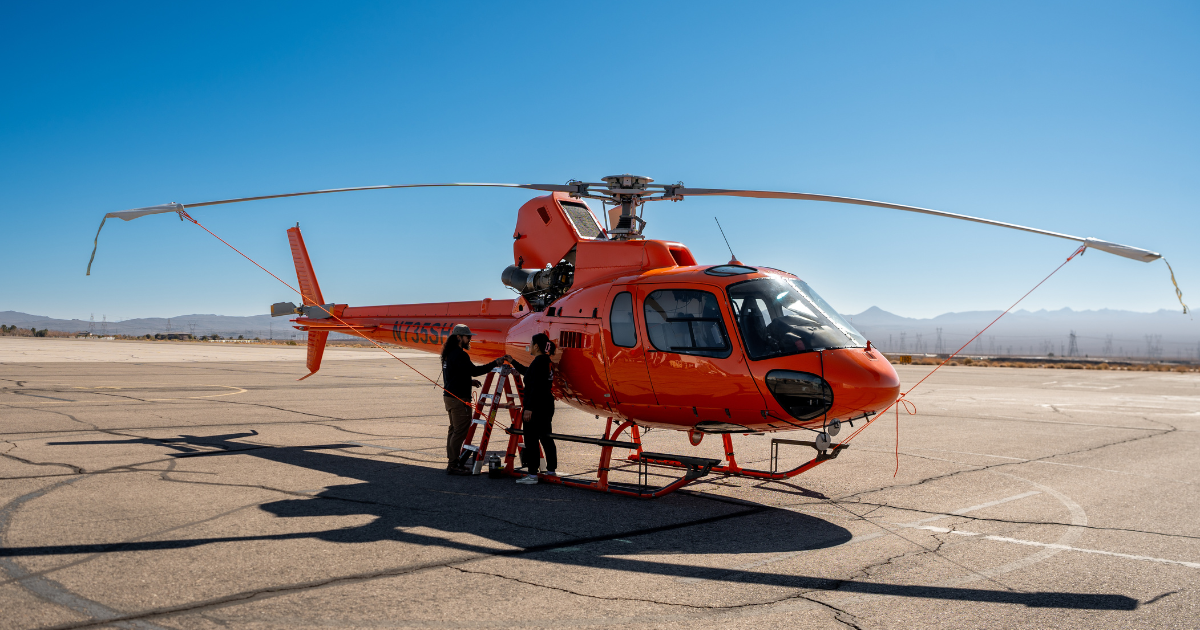
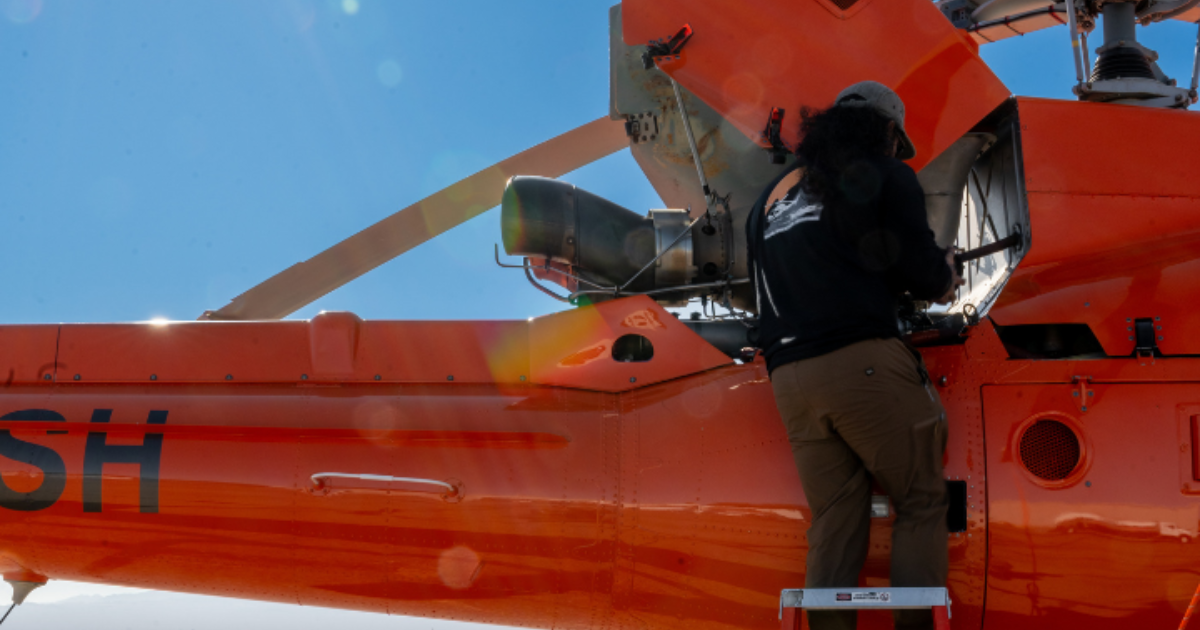
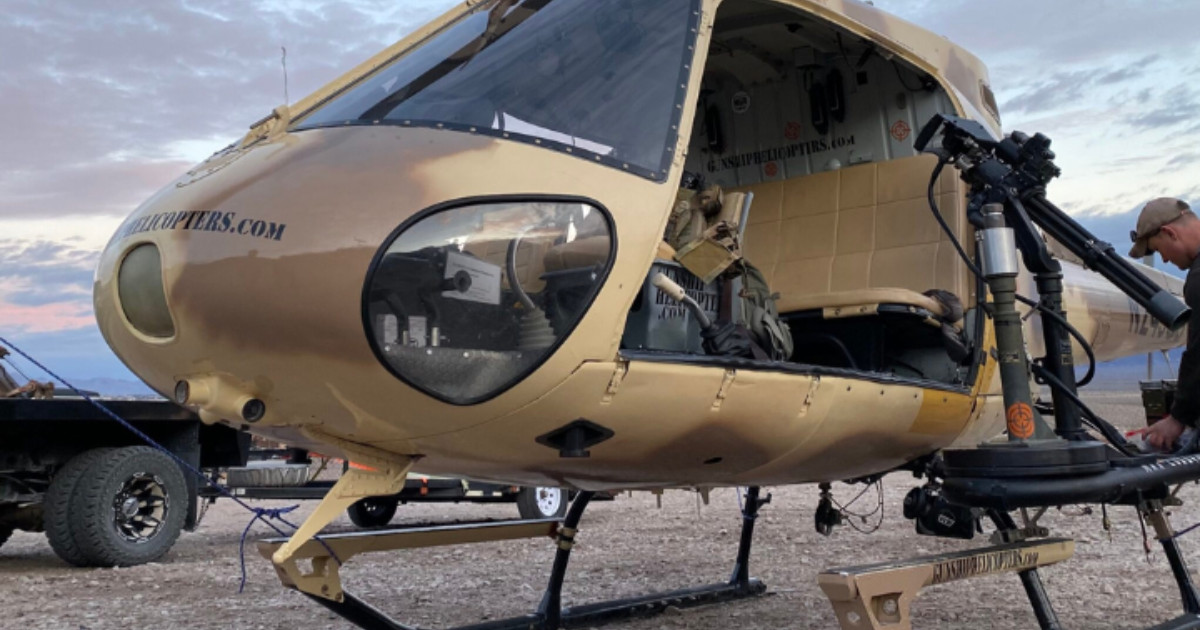
Safran Arriel engines power many of the world's most widely used helicopter platforms, including the Airbus H125, Eurocopter AS350, Airbus H130, and Eurocopter EC130. These aircraft are commonly utilized across a variety of industries, including tourism, utility operations, aerial work, emergency services, law enforcement, and private aviation.
Because these helicopters often operate in demanding environments, reliable maintenance, engine support, component services, and avionics expertise are essential to maintaining safety and performance. Operators of Arriel-powered aircraft benefit from working with experienced maintenance professionals who understand the unique requirements of these platforms and can provide support for inspections, repairs, troubleshooting, component replacement, and long-term maintenance planning.
Whether supporting a single aircraft or an entire fleet, proper maintenance and proactive service planning help maximize aircraft availability, reduce downtime, and support safe, efficient operations.
Operators of these aircraft should plan module support carefully because each aircraft may have different engine configurations, mission profiles, and maintenance histories.
Common considerations include:
- Aircraft model
- Installed engine variant
- Total aircraft time
- Engine records
- Prior module replacement history
- STC or modification history
- Upcoming inspections
- Component life limits
- Operating environment
- Mission demands
For example, a helicopter used for high-frequency tourism flights may have different maintenance planning needs than a privately operated aircraft or a utility helicopter. Module planning should always reflect the actual aircraft and mission.
Documentation and Traceability Are Essential
When working with Safran modules, documentation is not optional. Every component decision should be supported by records that confirm condition, history, and suitability.
Operators should ask for documentation that helps verify:
- Part number
- Serial number, when applicable
- Condition status
- Serviceability
- Repair or overhaul history
- Traceability
- Applicable tags or certificates
- Core return requirements
- Compatibility information
- Maintenance release details, when applicable
Strong documentation helps protect the aircraft’s records and long-term value. It also supports inspections, compliance reviews, resale, insurance discussions, and future maintenance planning.
Poor documentation can create serious problems. It can delay installation, raise questions during inspections, reduce confidence in aircraft records, or create issues during resale.
Why Part Number Accuracy Reduces Downtime
In aviation, part numbers are precise for a reason. A small difference can indicate a different application, configuration, revision, or compatibility requirement. Operators should never rely only on a general description such as “module,” “valve,” or “shaft assembly.”
For Arriel 1D1, Arriel 2B, Arriel 2B1, and Arriel 2D support, part number accuracy helps reduce downtime by making sure the right component is sourced the first time.
Before ordering, operators should confirm the part number using:
- Aircraft maintenance records
- Engine logbooks
- Component history
- Maintenance manuals
- Installed component data
- Qualified technician review
- Repair station guidance
This verification process may take time upfront, but it can prevent costly delays later.
Exchange Options Can Help Keep Aircraft Mission-Ready
Component exchange can be valuable when a helicopter needs to return to service quickly. Instead of waiting for a specific module or component to be repaired or overhauled, operators may be able to access a serviceable exchange unit, depending on availability and eligibility.
The component overhaul exchange is an important service for Black Mountain Aviation, along with Safran, Arriel, and rotorcraft component terms.
Exchange options can help operators:
- Reduce aircraft downtime
- Improve maintenance scheduling
- Avoid long repair wait times
- Support faster return-to-service timelines
- Keep mission-critical aircraft available
- Plan maintenance budgets more effectively
- Improve fleet reliability
However, exchanges should be reviewed carefully. Operators need to understand documentation, core return rules, condition requirements, pricing, and availability before committing.
Nevada Operating Conditions Make Planning Important
Operators in Nevada and the greater Southwest often face environmental conditions that can affect maintenance planning. Heat, dust, dry air, elevation changes, and demanding mission cycles can all influence aircraft systems and component wear.
For helicopters operating in this region, maintenance planning should account for:
- Engine performance in heat
- Air filtration needs
- Dust exposure
- Cooling efficiency
- Seals and hoses
- Avionics reliability
- Component wear patterns
- Inspection timing
- Mission frequency
- Field operation demands
This makes local support valuable. Black Mountain Aviation’s Boulder City location gives operators access to a maintenance provider familiar with Southern Nevada aviation needs and regional service demands.
Why Safran Module Support Should Align With Maintenance Planning
Ordering a module should not happen in isolation. It should be part of a larger maintenance strategy. A module may solve one issue, but installation can also involve related inspections, additional components, documentation review, and return-to-service planning.
Operators should coordinate Safran module decisions with:
- Scheduled inspections
- Current discrepancies
- Engine performance concerns
- Component time tracking
- Aircraft mission needs
- Upcoming maintenance windows
- Parts availability
- Exchange options
- Field support needs
- Avionics or monitoring indications
This broader view helps operators make smarter decisions and avoid last-minute maintenance pressure.
Avionics and Engine Support Can Overlap
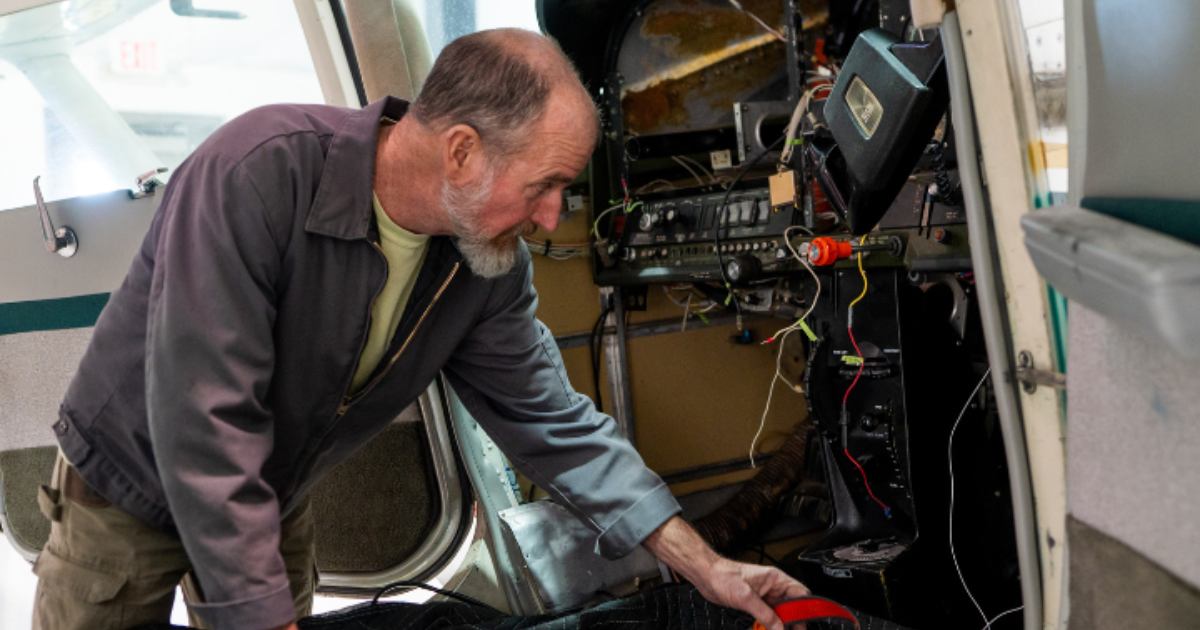
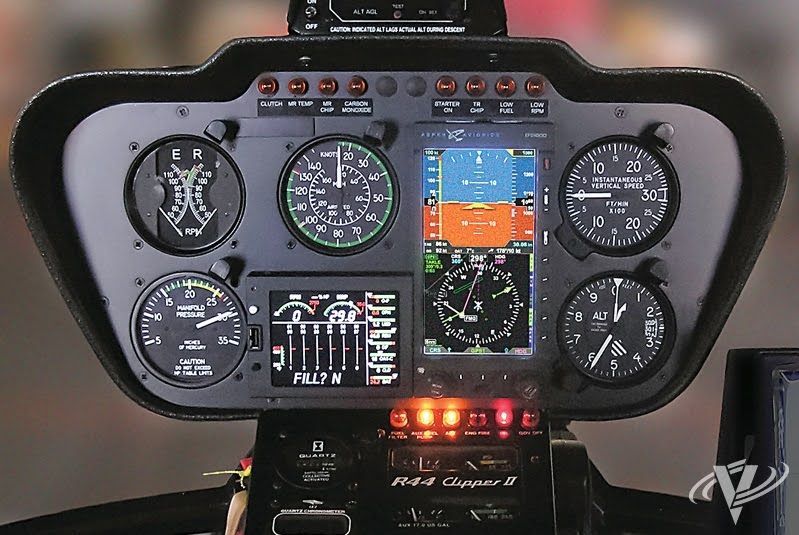
Modern aircraft maintenance often connects engine systems with avionics, sensors, cockpit indications, monitoring systems, and electrical troubleshooting. A reported engine concern may require mechanical review, but it may also involve checking signals, wiring, displays, or related avionics equipment.
For operators, this can reduce:
- Diagnostic delays
- Communication gaps
- Repeat inspections
- Separate vendor coordination
- Downtime
- Incomplete troubleshooting
A maintenance provider with both rotorcraft and avionics knowledge can help operators approach aircraft issues more efficiently.
What Operators Should Ask Before Ordering Safran Modules
Before ordering Safran modules or related Arriel components, operators should ask clear, practical questions.
Key questions include:
- Which aircraft platform is being supported?
- Is the engine an Arriel 1D1, Arriel 2B, Arriel 2B1, or Arriel 2D?
- What is the exact part number?
- Is the part new, overhauled, repaired, or serviceable?
- What documentation is included?
- Is traceability complete?
- Is an exchange option available?
- What is the expected lead time?
- Is there a core return requirement?
- Does the component match the installed configuration?
- Are related parts or consumables needed?
- Will installation require additional inspection or testing?
- Can the provider support repair, installation, or troubleshooting?
- How will this affect the aircraft maintenance schedule?
These questions help reduce uncertainty and support better operational planning.
Why Black Mountain Aviation Supports Safran Module Planning
Black Mountain Aviation is positioned to support helicopter operators who need guidance with Safran modules, Arriel 1D1, Arriel 2B, Arriel 2B1, and Arriel 2D systems. They are a FAA-certified repair station credentials, Airbus and Safran specialization, rotorcraft powerplant and dynamic component services, avionics capabilities, inventory, and field support.
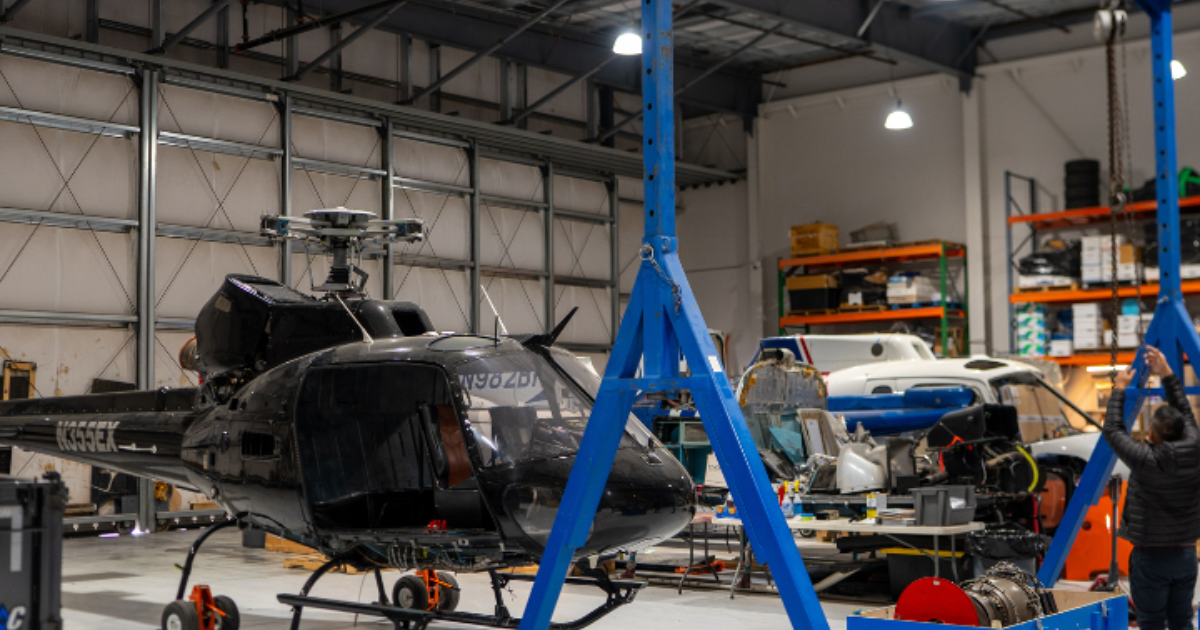
The team’s experience also includes heavy rotorcraft maintenance, Airbus AStar and EC130 platforms, Safran and Arriel engines, avionics upgrades, STC installations, field support, and Part 135 and Part 145 operations.
For helicopter owners, fleet managers, and maintenance teams, that combination matters. Operators often need more than a part. They need help confirming what is required, what documentation is needed, how the component affects downtime, and how the repair fits into the larger maintenance plan.
Final Thoughts
Safran module support is a critical part of keeping helicopters safe, compliant, reliable, and mission-ready. Operators working with Arriel 1D1, Arriel 2B, Arriel 2B1, or Arriel 2D systems should always confirm the aircraft platform, engine variant, exact part number, condition, traceability, exchange options, lead time, and documentation before ordering.
In rotorcraft operations, details matter. The correct module can help reduce downtime, support safe operation, and protect aircraft value. The wrong part or incomplete documentation can delay maintenance and create unnecessary risk.
Black Mountain Aviation provides a strong local resource for operators in Boulder City, Southern Nevada, and the greater Southwest. With FAA-certified repair station capabilities, Airbus and Safran experience, rotorcraft maintenance knowledge, avionics support, inventory awareness, and field support, Black Mountain Aviation helps helicopter operators make informed decisions about Safran modules and Arriel engine support before critical maintenance needs become urgent.
FAQ Entry 1
Question: What are Safran modules?
Answer: Safran modules are major engine sections or component groupings used within Safran helicopter engine systems. They help maintenance teams identify, inspect, repair, replace, or exchange key engine components with greater accuracy.
FAQ Entry 2
Question: Which Arriel engine variants are covered in this article?
Answer: This article covers Safran module support for Arriel 1D1, Arriel 2B, Arriel 2B1, and Arriel 2D helicopter engine systems.
FAQ Entry 3
Question: Why are part numbers important when ordering Safran modules?
Answer: Part numbers help confirm compatibility, configuration, approved application, and correct fitment. A small difference in part number can determine whether a module or component is suitable for a specific Arriel engine variant.
FAQ Entry 4
Question: Does Black Mountain Aviation support Safran and Arriel engine systems?
Answer: Yes. Black Mountain Aviation has documented experience with Airbus, Safran, Arriel engines, heavy rotorcraft maintenance, avionics upgrades, field support, and Part 135 and Part 145 operations.
FAQ Entry 5
Question: Can component exchange help reduce helicopter downtime?
Answer: Yes. When available, component overhaul exchange may help reduce downtime by giving operators access to a serviceable module or component faster than waiting for repair or overhaul of a specific unit.
FAQ Entry 6
Question: What should operators confirm before ordering Safran modules?
Answer: Operators should confirm the aircraft platform, Arriel engine variant, exact part number, condition status, documentation, traceability, lead time, exchange availability, and core return requirements.