
Aircraft Pitot-Static Inspections in Boulder City: FAA Testing Requirements Explained
Aircraft Pitot-Static Inspections in Boulder City: FAA Testing Requirements Explained
Accurate flight instruments are essential to safe aircraft operations, particularly when pilots rely on altitude, airspeed, and vertical speed information during instrument flight. A properly functioning pitot-static system helps supply the pressure information that flight instruments and modern avionics systems use to display critical flight data. When these systems develop leaks, restrictions, or instrument discrepancies, the resulting information may be inaccurate.
For aircraft owners and operators scheduling aircraft pitot static inspections in Boulder City, understanding Federal Aviation Administration (FAA) requirements is an important part of maintaining regulatory compliance and operational readiness. Under 14 CFR 91.411, airplanes and helicopters operating under Instrument Flight Rules (IFR) in controlled airspace must meet specific static pressure system, altimeter, and altitude-reporting equipment testing requirements within the preceding 24 calendar months. Additional inspections may also be necessary following certain maintenance activities.
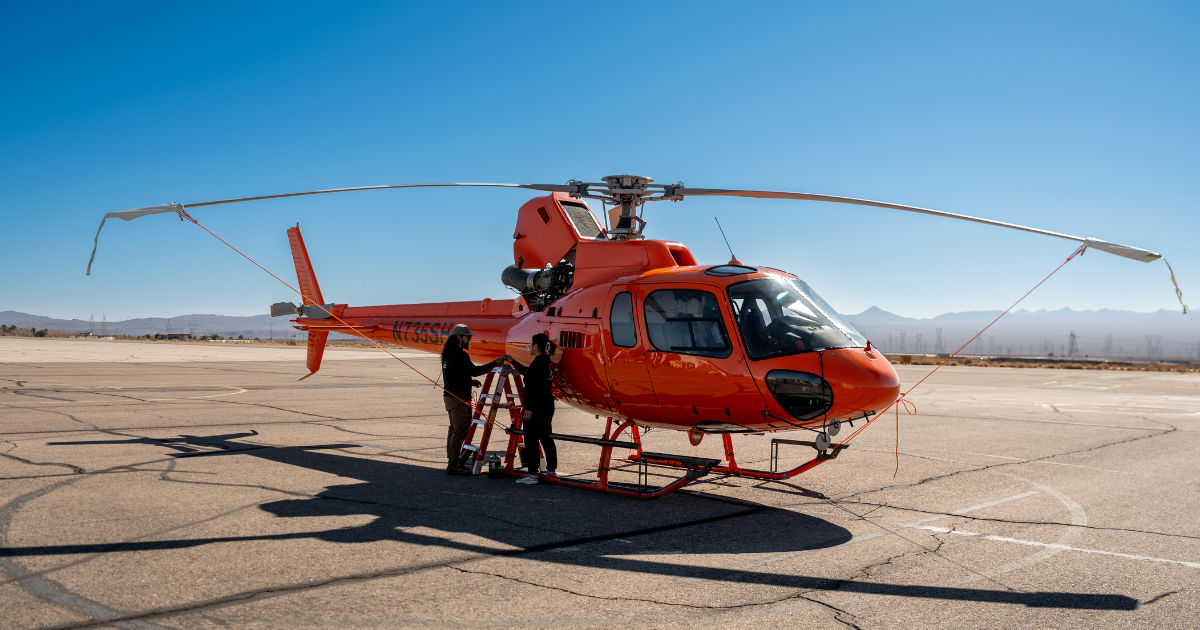
Black Mountain Aviation, an FAA-certified repair station located at Boulder City Municipal Airport, provides avionics services, pitot-static system inspections, and aircraft maintenance support for operators throughout Southern Nevada. Understanding what these inspections involve, when they are required, and how to prepare can help aircraft owners avoid unnecessary maintenance delays while keeping their aircraft ready for the intended operation.
What Is an Aircraft Pitot-Static System?
An aircraft pitot-static system uses air pressure measurements to provide information to flight instruments and associated avionics equipment. The system combines pitot pressure, which represents total pressure from airflow entering the pitot opening, with static pressure, which represents the surrounding atmospheric pressure. Depending on the aircraft configuration, these pressure measurements support traditional mechanical instruments or electronic air data systems.
Three primary flight indications depend on pitot-static pressure information:
- Airspeed indicator: Uses the difference between pitot and static pressure to calculate indicated airspeed.
- Altimeter: Uses static pressure to determine pressure altitude and display altitude relative to the selected barometric setting.
- Vertical speed indicator: Measures changes in static pressure over time to indicate the aircraft's rate of climb or descent.
Modern aircraft may incorporate air data computers, electronic flight displays, or integrated avionics systems that process pressure information electronically. Although the equipment may differ between aircraft types, the underlying need for reliable pressure measurements remains the same.
For commercial helicopter operators, accurate instrumentation supports effective flight planning, regulatory compliance, and appropriate aircraft operation. Understanding the relationship between pressure sources and cockpit instruments also helps operators recognize why pitot static system inspections require careful testing and maintenance documentation.
What Does the FAA Require Under 14 CFR 91.411?
The primary FAA regulation addressing altimeter system and altitude-reporting equipment inspections for IFR operations is 14 CFR 91.411. This regulation applies to airplanes and helicopters operating under IFR in controlled airspace and establishes testing requirements for specified instruments and systems.
Under the regulation, applicable aircraft must have each static pressure system, altimeter instrument, and automatic pressure altitude-reporting system tested and inspected within the preceding 24 calendar months. The required inspections must demonstrate compliance with the applicable provisions of Appendices E and F to 14 CFR Part 43.
Does Every Aircraft Require Testing Every 24 Months?
Not every aircraft is automatically subject to the same inspection requirements. The 24-calendar-month provision in 14 CFR 91.411 specifically applies to airplanes and helicopters operating under IFR in controlled airspace. Aircraft operated exclusively under Visual Flight Rules (VFR) are not subject to this particular recurring inspection requirement solely because they have a pitot-static system installed.
However, VFR aircraft may still be subject to other applicable maintenance requirements, equipment inspections, manufacturer instructions, and operating regulations. Aircraft owners should evaluate their actual operating requirements rather than assuming that all inspection intervals apply equally.
When Is Additional Testing Required?
An aircraft may require additional testing even when its previous inspection remains within the 24-calendar-month period. For example, opening and closing the static pressure system generally requires subsequent testing before applicable IFR operations, except for the specific regulatory exceptions involving system drains and alternate static pressure valves.
Maintenance or installation involving automatic pressure altitude-reporting equipment may also require integrated system testing when the work could introduce altitude data correspondence errors. Understanding these requirements is particularly important when coordinating avionics upgrades, instrument replacements, and other aircraft maintenance activities.
What Happens During an Aircraft Pitot-Static Inspection?
An aircraft pitot-static inspection involves evaluating applicable pressure systems and related equipment using appropriate test procedures and calibrated instruments. The specific testing performed depends on the aircraft configuration, installed systems, operating requirements, and relevant maintenance instructions.
Although pitot-static inspection is a commonly used industry term, 14 CFR 91.411 specifically addresses static pressure systems, altimeter instruments, and automatic pressure altitude-reporting equipment. Separate pitot-side evaluations may be appropriate depending on the aircraft and requested maintenance scope.
Static Pressure System Testing
A qualified technician examines the static pressure system to identify conditions that could interfere with accurate atmospheric pressure measurements. Under Appendix E to Part 43, the prescribed evaluation includes checking for restrictions or trapped moisture, performing an acceptable system integrity test, verifying installed static port heating equipment where applicable, and considering airframe conditions that could affect static pressure accuracy.
Leaks or restrictions in the static system can result in inaccurate instrument indications. Identifying these discrepancies through appropriate testing allows maintenance personnel to determine whether corrective action is necessary before the aircraft returns to the intended operation.
Altimeter Performance Testing
Altimeter testing verifies that the instrument responds appropriately to simulated pressure changes across its applicable operating range. The test procedures in Appendix E include evaluations of scale error, hysteresis, after-effect, friction, case leakage, and barometric scale error, as applicable to the instrument design.
Electronic air data computers and certain integrated systems may be tested using manufacturer-developed procedures and specifications acceptable to the FAA. The objective is to establish that the installed equipment meets the applicable requirements rather than assuming that all altimeters use identical test methods.
Altitude Reporting System Verification
Aircraft equipped with automatic pressure altitude-reporting equipment require appropriate verification that reported altitude corresponds with the installed altimeter system. Appendix E includes an integrated system test assessing the relationship between the altimeter indication and the altitude information provided through the transponder system.
This testing helps identify discrepancies that could affect altitude information received by air traffic control. Where applicable, technicians evaluate the system using the required procedures and tolerances to verify that the equipment performs its intended function as installed.
How Often Should Aircraft Pitot-Static Inspections Be Scheduled?
For aircraft subject to 14 CFR 91.411, the recurring inspection interval is 24 calendar months. Aircraft owners should review maintenance records to establish when the previous inspection occurred and plan the next appointment before the applicable testing period expires.
Operators should also account for additional testing that may become necessary following certain avionics installations, instrument replacements, or static system maintenance. Planning these events together can reduce duplicated maintenance activities and improve scheduling efficiency, particularly for aircraft operating under commercial maintenance programs.
Pitot-Static Testing vs. Transponder Testing
Aircraft owners sometimes assume that pitot-static inspections and transponder testing are the same service because both may be scheduled during an avionics maintenance appointment. However, they involve separate regulatory requirements.
Inspection
FAA Regulation
General Requirement
Static system, altimeter and altitude reporting
14 CFR 91.411
Within the preceding 24 calendar months for IFR operations in controlled airspace
Applicable ATC transponder testing
14 CFR 91.413
Within the preceding 24 calendar months for transponders covered by the regulation
Integrated altitude reporting system testing
Appendix E, Part 43
When required by applicable regulations and qualifying maintenance
Transponder testing under 14 CFR 91.413 verifies compliance with the applicable requirements of Appendix F to Part 43. Although these services can often be coordinated, completing one inspection does not automatically satisfy every requirement of the other.
How Should Aircraft Owners Prepare for Pitot-Static Testing?
Preparing before an inspection can help technicians understand the aircraft configuration, determine the applicable testing requirements, and identify maintenance concerns that may require additional attention.
Aircraft owners and operators scheduling aircraft pitot static inspections in Boulder City should be ready to provide information about the aircraft's existing equipment, maintenance history, and intended operating environment.
Recommended preparation includes:
- Reviewing previous pitot-static and altimeter inspection records.
- Confirming the aircraft registration, make, model, and avionics configuration.
- Identifying known airspeed, altitude, or vertical speed indication discrepancies.
- Reporting recent instrument replacements or static system maintenance.
- Confirming whether transponder or altitude-reporting testing is also needed.
- Coordinating aircraft availability and maintenance scheduling.
Operators should also advise the maintenance provider about recent avionics upgrades or modifications that could affect pressure-system or altitude-reporting equipment. Providing this information early can help clarify the required inspection scope and prevent unexpected scheduling conflicts.
Aircraft maintenance personnel should perform pressure-system testing using appropriate procedures and equipment. Owners should not attempt to connect pressure sources or manipulate instruments without the necessary qualifications and aircraft-specific instructions, since improper testing can damage sensitive instruments.
Who Is Authorized to Perform FAA Pitot-Static Inspections?
Under 14 CFR 91.411, the required testing must be performed by appropriately authorized personnel or organizations. The regulation identifies aircraft manufacturers, appropriately equipped and rated certificated repair stations, and certificated mechanics holding an airframe rating for static pressure system tests and inspections only.
This distinction matters because authorization to inspect a static pressure system does not automatically authorize a technician to complete every altimeter and altitude-reporting test required for IFR operations. Aircraft owners should confirm that the maintenance provider holds the appropriate authority for the entire requested inspection.
When searching for certified avionics technicians in Boulder City, operators should evaluate relevant qualifications, test equipment, experience with the aircraft's installed systems, and the provider's ability to complete accurate maintenance documentation.
Black Mountain Aviation is an FAA-certified repair station in Boulder City, Nevada, with experience supporting aircraft avionics, inspections, and rotorcraft maintenance. Its website identifies pitot-static inspections among its avionics capabilities, providing a local point of contact for operators evaluating testing requirements.
Why Pitot-Static Testing Matters for Helicopter Operators in Southern Nevada
Helicopter operators throughout Southern Nevada work in a region characterized by high summer temperatures, mountainous terrain, and demanding operating environments. Accurate flight instrumentation is particularly important when conducting flights that require dependable altitude, airspeed, and aircraft performance information.
Commercial helicopter operators may also face scheduling challenges associated with seasonal demand, recurring inspections, and operational commitments. Coordinating required avionics testing with other scheduled maintenance can help reduce avoidable interruptions while maintaining compliance with applicable regulations.
For aircraft operators arranging aircraft maintenance in Boulder City, maintaining organized records and planning inspections in advance helps establish a more predictable maintenance schedule. This approach is valuable for private aircraft owners, fleet managers, and commercial operators responsible for keeping aircraft available for their intended missions.
Why Choose Black Mountain Aviation for Aircraft Avionics Services?
Located at Boulder City Municipal Airport, Black Mountain Aviation provides aircraft maintenance, avionics installation, testing, and related aviation services for operators throughout Southern Nevada and the surrounding region.
As an FAA-certified repair station, the company has experience supporting Airbus helicopters, Safran engine systems, avionics installations, and aircraft maintenance operations. Its aviation maintenance background includes rotorcraft inspection activities, avionics upgrades, and technical services supporting commercial aviation operations.
Aircraft owners researching aircraft IFR certification in Boulder City can contact Black Mountain Aviation to discuss their aircraft configuration, inspection history, and applicable testing needs. The required inspection scope and scheduling details should be confirmed before arranging service.
Frequently Asked Questions About Aircraft Pitot-Static Inspections
Are pitot-static inspections required every 24 months?
Under 14 CFR 91.411, airplanes and helicopters operating under IFR in controlled airspace must have specified static pressure systems, altimeters, and automatic pressure altitude-reporting systems inspected and tested within the preceding 24 calendar months. Aircraft operating exclusively under VFR are not automatically subject to that particular recurring requirement, although other equipment and maintenance regulations may apply.
Can pitot-static testing and transponder inspections be completed together?
Yes, an appropriately authorized and equipped maintenance provider may coordinate the services during the same appointment. However, the inspections are governed by different requirements, and operators should confirm that all applicable tests are completed and documented.
What happens if an aircraft fails a pitot-static inspection?
A failed inspection indicates that one or more tested items did not meet the applicable requirements. Qualified maintenance personnel must evaluate the discrepancy, complete appropriate corrective maintenance, and perform necessary follow-up testing before approving the work and determining whether the aircraft meets the requirements for its intended operation.
How long does an aircraft pitot-static inspection take?
Inspection duration depends on aircraft configuration, equipment accessibility, installed avionics, required tests, and whether maintenance discrepancies are discovered. Operators should request scheduling information based on their specific aircraft rather than assuming a standard completion time.
Where can I schedule aircraft pitot-static inspections in Boulder City?
Black Mountain Aviation provides aviation maintenance and avionics services at Boulder City Municipal Airport, including pitot-static system inspections. Aircraft owners can contact the company to discuss inspection requirements, aircraft compatibility, and scheduling availability.
Schedule Aircraft Pitot-Static Inspections in Boulder City, Nevada
Maintaining accurate flight instruments requires attention to applicable FAA regulations, proper inspection procedures, and complete maintenance documentation. For aircraft operating under IFR in controlled airspace, understanding 14 CFR 91.411 and its testing requirements is essential to maintaining compliance and preparing for continued operations.
Black Mountain Aviation supports aircraft owners, helicopter operators, and aviation businesses with avionics services and aircraft maintenance in Boulder City. Whether your aircraft is approaching its required inspection interval, has undergone recent instrument maintenance, or requires evaluation of its altitude-reporting system, discussing the requirements with a qualified maintenance provider is an important first step.
Contact Black Mountain Aviation to discuss aircraft pitot-static inspections, avionics testing, and maintenance scheduling in Boulder City, Nevada.
Black Mountain Aviation
1411 Airport Road, Suite 100 Boulder City, NV 89005
Phone: (702) 294-1044 Website: www.bmaviation.net