What Is an Epicyclic Gearbox and Why It Matters
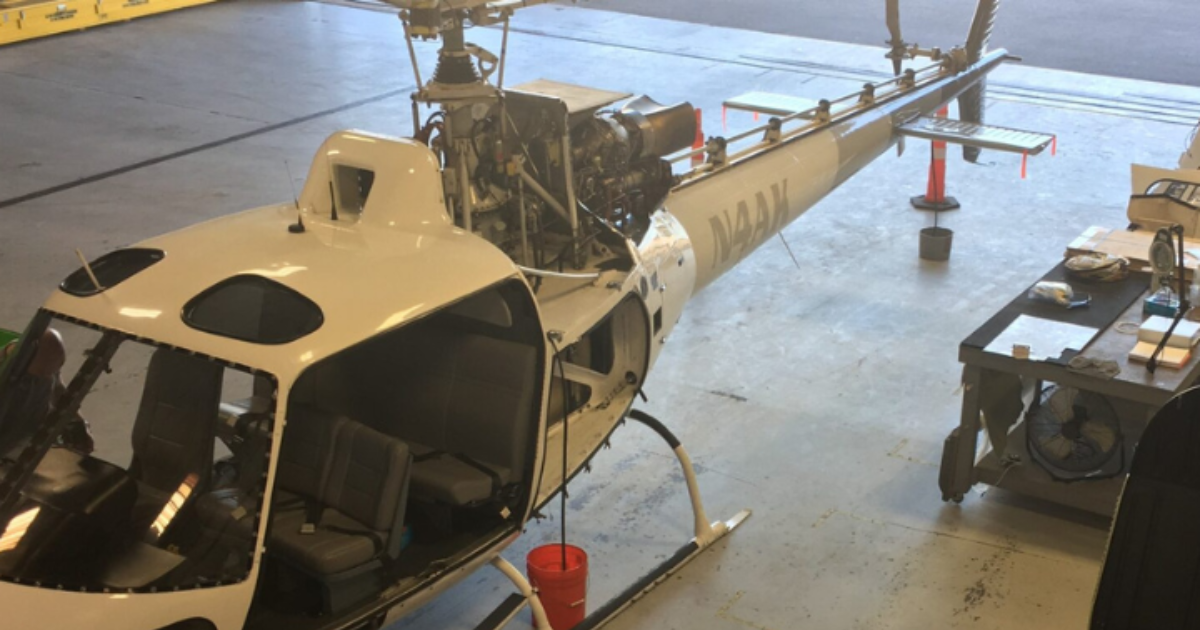
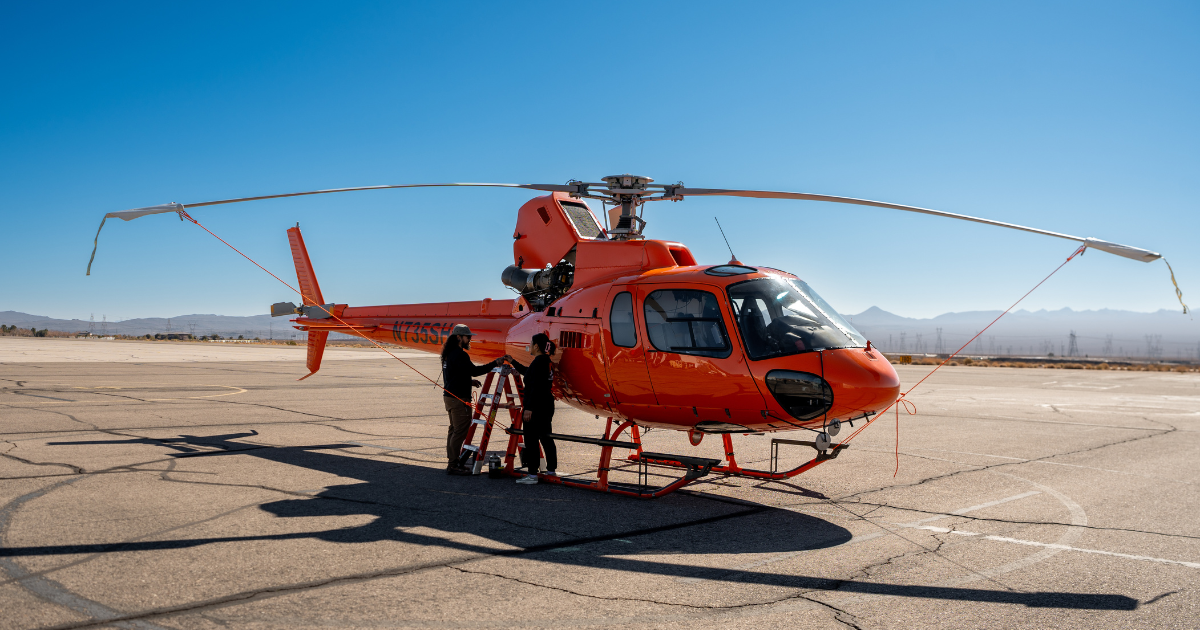
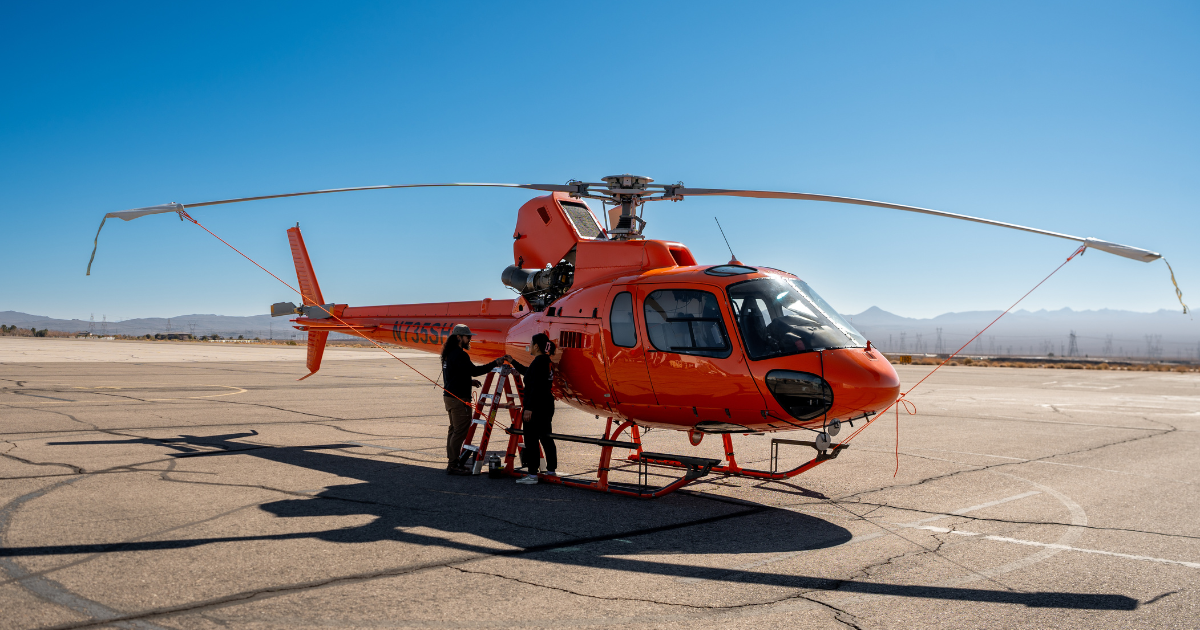
An epicyclic gearbox, often called an epicyclic reduction gear, is a compact, high-efficiency system designed to manage torque and rotational speed. It is widely used in helicopter platforms such as the Airbus H125 and EC130.
The system includes:
- A central sun gear
- Multiple planet gears rotating around the sun gear
- A ring gear that holds the assembly together
This configuration allows for high torque output while maintaining a relatively small footprint, which is essential in aviation applications where space and weight are critical factors.
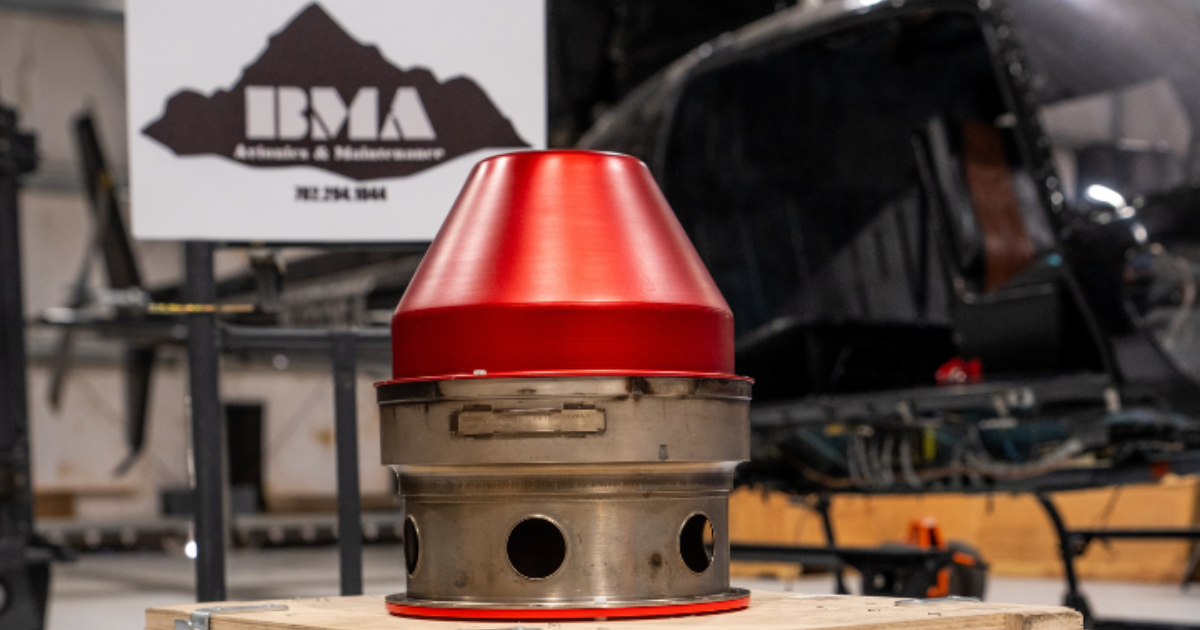
Epicyclic gearboxes are engineered to handle continuous stress under demanding conditions. Components such as 350A32-0120-00 epicyclic assemblies are commonly referenced in maintenance and overhaul procedures, highlighting the importance of precise identification and compliance.
Understanding Bevel Gearboxes in Helicopter Systems
Bevel gearboxes, often integrated into the main gearbox (MGB), are responsible for changing the direction of power flow. In rotorcraft, this means converting horizontal engine output into vertical rotor movement.
These systems rely on angled gear teeth that allow smooth directional transitions without loss of efficiency. Common references include:
- MGB bevel assemblies
- Bevel reduction gearboxes
- Part numbers such as 350A32-0350-02 and 350A32-0350-02M
Because of their role in directional power transfer, bevel gearboxes are subject to intense mechanical stress and must be maintained with extreme precision.
Why Epicyclic and Bevel Gearbox Repairs Are Mission-Critical
Aircraft gearboxes operate under high load, high temperature, and continuous motion. Any failure within these systems can lead to:
- Loss of power transmission
- Increased vibration and instability
- Damage to surrounding components
- Potential safety risks during flight
FAA-certified repair stations operate under strict guidelines to ensure that every repair meets regulatory standards. Black Mountain Aviation, for example, is a FAA-certified Part 145 repair station (LVBR789X), ensuring that all maintenance and repair work adheres to rigorous aviation safety requirements. This level of certification is not just a credential. It is a reflection of consistent quality, documentation, and accountability in every repair performed.
Common Causes of Gearbox Failure
Understanding why gearboxes fail helps operators prevent costly repairs and downtime.
Mechanical Wear and Fatigue
Over time, gear teeth experience:
- Surface pitting
- Micro-fractures
- Wear from continuous load cycles
Even minor imperfections can grow into significant issues if not addressed early.
Bearing Failure
Bearings are essential for smooth rotation within the gearbox. Common issues include:
- Heat-induced degradation
- Lubrication breakdown
- Contamination from debris
When bearings fail, they often lead to cascading damage throughout the system.
Lubrication Contamination
Clean oil is critical for gearbox performance. Contamination can come from:
- Metal particles
- Moisture intrusion
- External debris
Oil analysis programs are often used to detect early signs of wear and internal damage.
Misalignment and Installation Errors
Improper installation or structural wear can result in:
- Uneven load distribution
- Increased vibration
- Accelerated component failure
This is why precision alignment during assembly is a non-negotiable step in gearbox repair.
The Complete Gearbox Repair and Overhaul Process
Repairing an epicyclic or bevel gearbox is a detailed, multi-step process that requires technical expertise and specialized equipment.
Step 1: Inspection and Diagnostics
Technicians begin by assessing the condition of the gearbox using:
- Visual inspections
- Oil sampling and analysis
- Vibration monitoring data
- Borescope inspections
This step determines whether the gearbox requires repair, overhaul, or full replacement.
Step 2: Disassembly
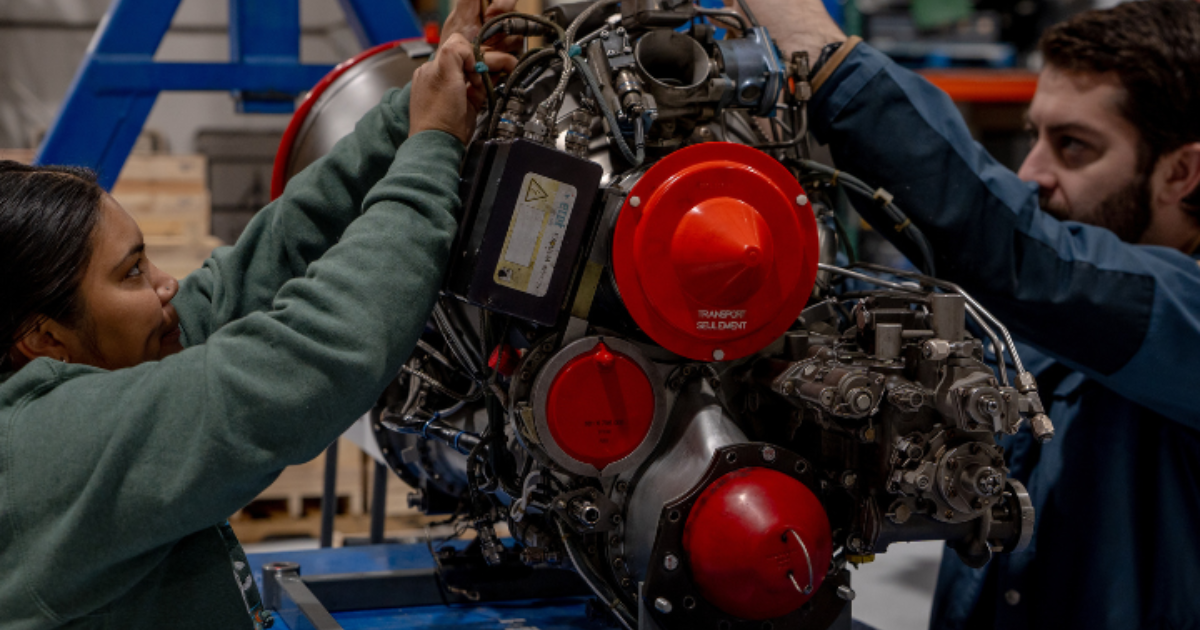
The gearbox is carefully disassembled, and each component is cataloged and inspected. Technicians measure:
- Gear tolerances
- Shaft alignment
- Bearing integrity
All findings are compared against manufacturer specifications.
Step 3: Cleaning and Non-Destructive Testing
Advanced testing methods ensure that hidden defects are identified:
- Magnetic particle inspection
- Dye penetrant testing
- Ultrasonic testing
These techniques allow technicians to detect cracks, fatigue, and internal flaws that are not visible to the naked eye.
Step 4: Component Repair or Replacement
Depending on the condition, components may be:
- Re-machined
- Re-coated
- Replaced with certified parts
Many facilities offer component overhaul exchange programs, allowing operators to swap out critical parts such as epicyclic assemblies, bevel gearboxes, and rotor components to reduce downtime.
Step 5: Reassembly and Calibration
Reassembly requires precise calibration, including:
- Torque specifications
- Gear backlash adjustments
- Alignment verification
Even small deviations can impact performance and lifespan.
Step 6: Testing and Certification
Before returning to service, the gearbox undergoes:
- Functional testing
- Load simulation
- Final inspection
Documentation is completed to meet FAA compliance and traceability standards.
Aircraft Platforms That Commonly Require Gearbox Repairs
Epicyclic and bevel gearbox repairs are most common in rotorcraft platforms such as:
- Airbus H125 and AS350 series
- Airbus H130 and EC130 models
- Bell 205, 206, and 407
- MD 500 and 530
Technicians with experience across these platforms bring valuable insight into system behavior, common failure points, and optimized repair techniques.
The Importance of Experienced Technicians
Gearbox repair is not just technical work. It is a discipline built on experience, precision, and accountability.
Highly experienced A&P mechanics and IA-certified professionals bring:
- Decades of rotorcraft maintenance experience
- Expertise in Airbus and Safran systems
- Knowledge of Part 135 and Part 145 operations
- Advanced avionics and mechanical integration skills
This depth of expertise ensures that every repair is completed with accuracy and long-term reliability in mind.
Preventative Maintenance Strategies That Reduce Downtime
Preventative maintenance is the most effective way to extend gearbox life and avoid unexpected failures.
Key Strategies Include:
Routine Inspections
Schedule inspections based on flight hours and operational conditions
Oil Analysis Programs
Monitor for contamination and early signs of wear
Vibration Monitoring
Identify imbalances before they escalate
Proper Lubrication
Use manufacturer-approved oils and maintain correct levels
Scheduled Overhauls
Follow OEM-recommended service intervals
These strategies not only improve reliability but also reduce long-term maintenance costs.
Reducing Downtime with Efficient Repair Solutions
Aircraft downtime impacts operations, revenue, and scheduling. Efficient repair facilities focus on:
- Fast diagnostics and turnaround times
- Inventory availability for critical components
- Exchange programs for rapid replacement
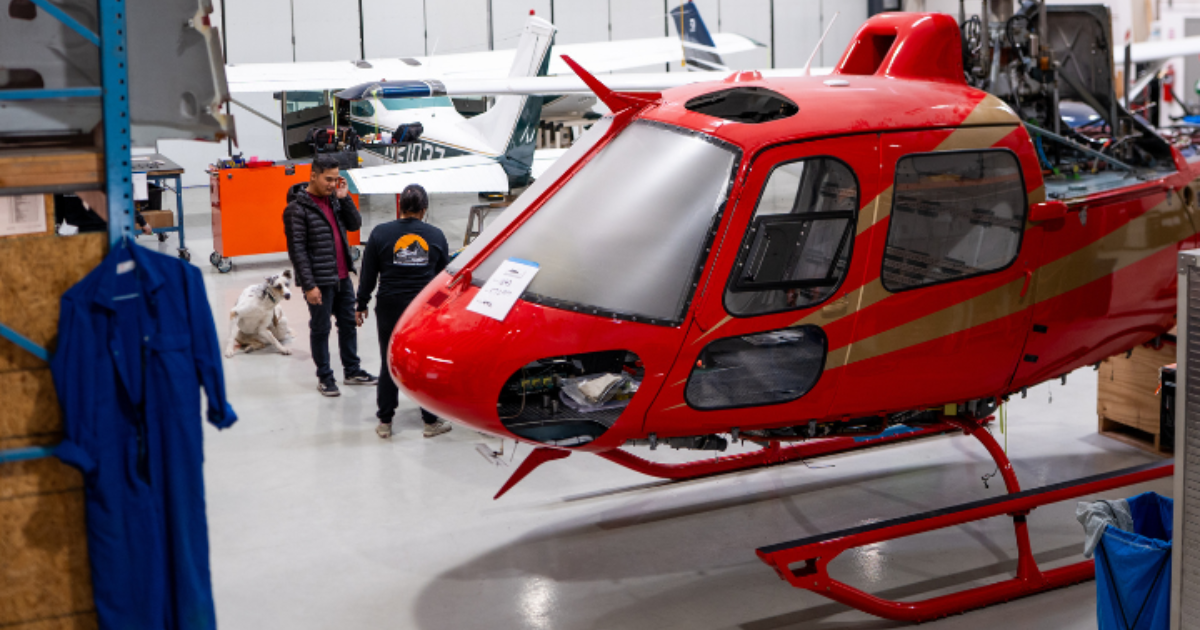
Black Mountain Aviation maintains access to avionics, engine components, and airframe inventory, allowing for quicker repairs and reduced delays.
Choosing the Right FAA-Certified Repair Station
Selecting the right repair partner is one of the most important decisions for aircraft operators.
What to Look For:
FAA Certification
Ensures compliance with aviation safety standards
Specialized Expertise
Experience with Airbus, Safran, and rotorcraft systems
Inventory Access
Availability of parts for faster turnaround
Reputation and Industry Presence
Affiliations such as the Aircraft Electronics Association
Full-Service Capabilities
Ability to handle avionics, engines, and gearbox systems under one roof
Black Mountain Aviation’s combination of certification, expertise, and location at Boulder City Municipal Airport positions it as a reliable partner for operators across Nevada and the Southwest.
The Future of Gearbox Repair and Maintenance
The aviation industry continues to evolve, and gearbox maintenance is no exception.
Emerging Trends Include:
Predictive Maintenance
Using data and sensors to anticipate failures before they occur
Advanced Materials
Improved coatings that increase durability and reduce wear
Digital Tracking Systems
Enhanced traceability for parts and repairs
Integrated Diagnostics
Combining avionics and mechanical data for comprehensive aircraft monitoring
These innovations are helping operators improve safety, reduce costs, and extend the lifecycle of critical components.
Final Thoughts: Precision, Safety, and Reliability
Epicyclic and bevel gearboxes are central to rotorcraft performance. Their complexity requires a level of care, expertise, and certification that cannot be overlooked.
From initial inspection to final certification, every step in the repair process plays a role in ensuring safe and reliable aircraft operation. Partnering with a trusted, FAA-certified repair station ensures that your gearbox repairs are completed with precision, compliance, and long-term performance in mind. In aviation, reliability is everything. And it starts with the systems that keep your aircraft in motion.