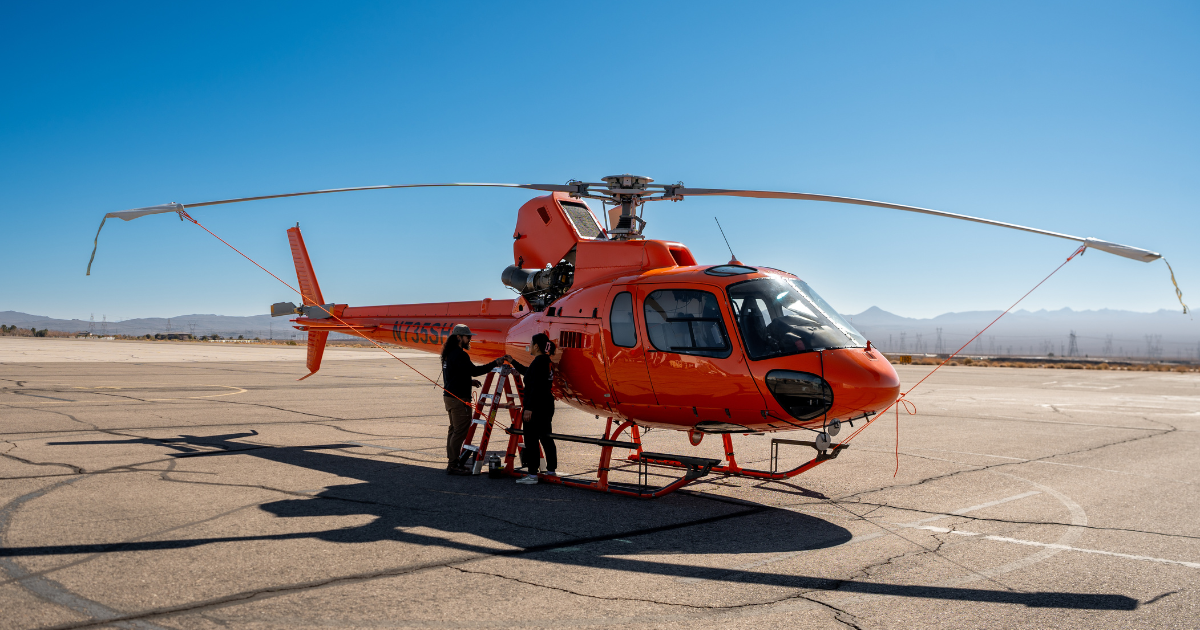
What Is a Tail Rotor Spider and Why It Matters
The tail rotor spider is a central mechanical component within the tail rotor assembly. It connects the pitch control system to the rotor blades, allowing pilots to adjust blade pitch and maintain directional control.
In simple terms, it ensures that the helicopter can counteract torque from the main rotor and maintain stable flight. Without a properly functioning tail rotor spider, the aircraft becomes difficult or impossible to control.
Common part numbers associated with this component include:
- 350A33-2030-00
- 350A33-2167-00
- 350A33-2167-01
These components are widely used across Airbus and Eurocopter platforms, making them a key focus in helicopter maintenance and repair services.
Why Tail Rotor Spider Failures Are Critical
Unlike some components that degrade gradually without immediate impact, tail rotor spider failures can escalate quickly. Because this system directly affects yaw control, any malfunction can compromise flight safety.
Failure can lead to:
- Loss of directional control
- Increased vibration in the tail section
- Irregular blade pitch response
- Emergency landing scenarios
For operators in high-demand environments such as Nevada, where helicopters are used for tourism, utility, and firefighting, reliability is non-negotiable.
Early Warning Signs of Tail Rotor Spider Failure
Recognizing early signs of failure is one of the most effective ways to prevent serious issues. Maintenance teams and pilots should remain alert to the following indicators.
1. Unusual Vibrations
One of the first signs of a failing tail rotor spider is abnormal vibration. This may be felt:
- Through the airframe
- In the tail boom
- During specific flight conditions such as hover or low-speed maneuvering
Vibration often indicates imbalance, wear, or misalignment within the spider assembly.
2. Increased Noise from the Tail Section
Grinding, clicking, or irregular noises coming from the tail rotor area can signal internal wear or damage.
These sounds may point to:
- Bearing degradation
- Loose components
- Metal-on-metal contact
Any unusual noise should trigger immediate inspection.
3. Irregular Yaw Control Response
If pilots notice delayed or inconsistent yaw response, it may indicate issues within the pitch change mechanism.
Symptoms include:
- Sluggish pedal response
- Overcorrection during turns
- Difficulty maintaining heading
This is a critical warning sign that should not be ignored.
4. Visible Wear or Corrosion
During routine inspections, technicians may observe:
- Cracks in the spider arms
- Corrosion on metal surfaces
- Deformation or bending
Environmental exposure and operational stress contribute to these conditions.
5. Oil Contamination or Debris
Metal particles found in lubrication systems often indicate internal wear.
Oil analysis can reveal:
- Early-stage component degradation
- Bearing wear
- Surface fatigue
This proactive diagnostic method is widely used in FAA-certified maintenance programs.
Common Causes of Tail Rotor Spider Failure
Understanding the root causes of failure helps operators implement preventative strategies.
Fatigue from High Load Cycles
Tail rotor spiders endure continuous stress during operation. Over time, repeated load cycles lead to:
- Material fatigue
- Micro-cracking
- Structural weakening
Poor Lubrication
Insufficient or contaminated lubrication accelerates wear and increases friction within moving parts.
Environmental Exposure
Aircraft operating in harsh environments face additional risks such as:
- Dust and debris contamination
- Moisture and corrosion
- Temperature fluctuations
Improper Installation or Maintenance
Incorrect torque settings, alignment errors, or use of non-certified parts can significantly reduce component lifespan.
Inspection and Diagnostic Best Practices
Routine inspection is the foundation of safe helicopter operation.
Visual Inspection
Technicians examine:
- Spider arms and joints
- Fasteners and attachment points
- Signs of wear, corrosion, or deformation
Non-Destructive Testing
Advanced inspection methods include:
- Dye penetrant testing
- Magnetic particle inspection
These techniques detect hidden cracks and structural issues.
Functional Testing
Testing the pitch change mechanism ensures proper movement and responsiveness.
Oil Analysis Programs
Monitoring lubrication systems provides early detection of internal wear.
Repair and Overhaul Process
When a tail rotor spider shows signs of failure, a structured repair process is essential.
Component Removal
The spider assembly is carefully removed to prevent damage to surrounding systems.
Detailed Inspection
Each component is evaluated against manufacturer specifications to determine repair or replacement needs.
Repair or Replacement
Depending on condition:
- Minor wear may be corrected through machining or refinishing
- Severely damaged components are replaced with certified parts
Many facilities offer component overhaul exchange programs, allowing operators to minimize downtime by quickly replacing critical components.
Reassembly and Calibration
Precision is key during reassembly. Technicians ensure:
- Proper alignment
- Correct torque values
- Smooth operation of moving parts
Testing and Certification
Before returning to service, the system undergoes:
- Functional testing
- Safety checks
- Documentation for FAA compliance
Aircraft Commonly Affected
Tail rotor spider failures are most commonly observed in:
- Airbus H125 and AS350 series
- Airbus H130 and EC130 aircraft
- Bell 206 and 407 helicopters
- MD 500 and 530 platforms
Experienced technicians familiar with these aircraft can identify issues more quickly and apply effective repair solutions.
Preventative Maintenance Strategies
Preventative maintenance is the most effective way to avoid costly failures.
Best Practices Include:
Scheduled Inspections
Follow manufacturer-recommended intervals
Lubrication Management
Use approved lubricants and maintain proper levels
Vibration Monitoring
Track changes that may indicate imbalance
Component Tracking
Monitor flight hours and service life
Use of Certified Parts
Ensure all replacements meet FAA standards
The Role of FAA Certified Repair Stations
Working with an FAA-certified repair station ensures:
- Compliance with aviation regulations
- High-quality workmanship
- Accurate documentation and traceability
Black Mountain Aviation operates as a FAA Part 145 repair station, providing specialized services in helicopter maintenance, avionics, and component repair. This level of certification reflects a commitment to safety, precision, and reliability.
Reducing Downtime with Efficient Repair Solutions
Operational efficiency depends on minimizing aircraft downtime.
Leading repair facilities offer:
- Rapid diagnostics
- Inventory of high-demand components
- Exchange programs for faster turnaround
Access to parts such as tail rotor spiders, anti-vibration assemblies, and swashplates helps operators return to service quickly and efficiently.
The Future of Rotorcraft Component Maintenance
The aviation industry is evolving with new technologies that improve maintenance practices.
Key Trends Include:
Predictive Maintenance
Using data to identify issues before failure occurs
Advanced Materials
Improved durability and resistance to wear
Digital Maintenance Tracking
Enhanced documentation and compliance
Integrated Diagnostics
Combining mechanical and avionics data for better insights
These advancements are helping operators improve safety and reduce long-term costs.
Final Thoughts: Stay Ahead of Failure
Tail rotor spider failures are serious, but they are also preventable with the right knowledge, maintenance practices, and repair support. By recognizing early warning signs, investing in preventative maintenance, and partnering with experienced FAA-certified repair stations, operators can ensure safe, reliable flight operations.
In aviation, every component matters. And when it comes to the tail rotor system, attention to detail can make all the difference between routine maintenance and critical failure.