
Safran Aircraft Component Repair in Boulder City: Repair, Replace or Exchange?
Safran Aircraft Component Repair in Boulder City: Repair, Replace or Exchange?
For helicopter operators, a worn, damaged, or unserviceable engine component can create operational challenges that extend well beyond the initial maintenance issue. Aircraft downtime affects flight schedules, maintenance budgets, fleet availability, and the ability to complete time-sensitive missions. When a Safran engine component requires attention, deciding whether to repair, replace, or exchange it can significantly influence both maintenance planning and operating costs.
Operators researching Safran aircraft component repair in Boulder City should evaluate component condition, maintenance requirements, replacement availability, documentation, and expected turnaround times before choosing a solution. While repairing an existing component may be appropriate in some situations, replacement or exchange may offer advantages when operational deadlines or component availability become important considerations.
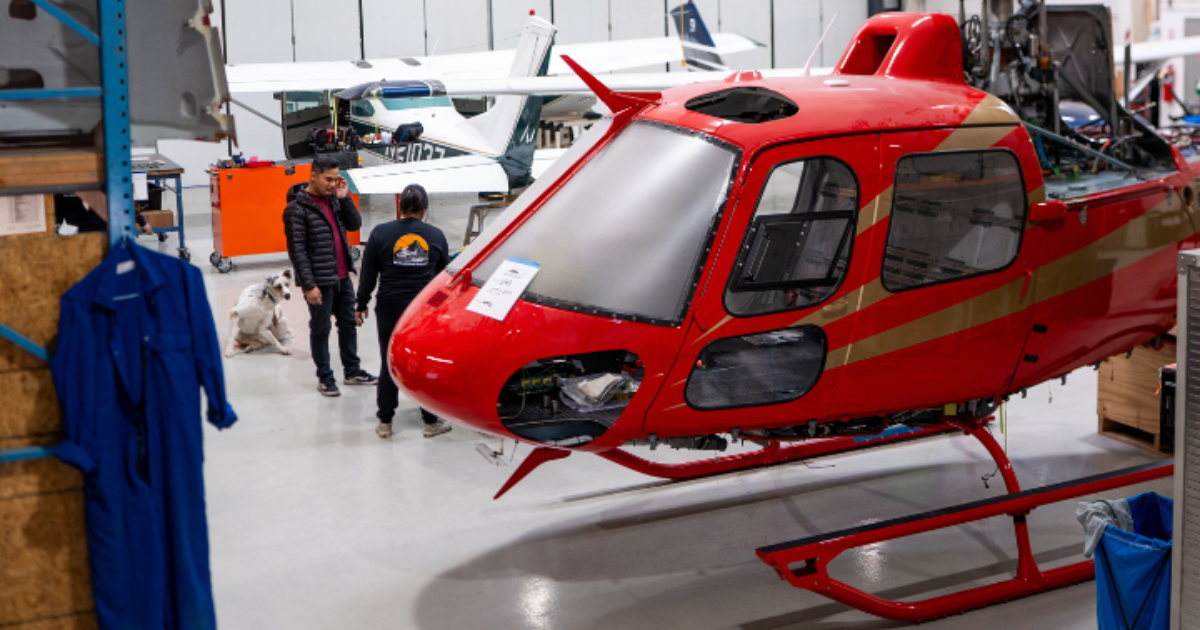
Black Mountain Aviation, an FAA-certified repair station located at Boulder City Municipal Airport in Nevada, provides helicopter maintenance, Safran engine component services, aviation inventory, and component overhaul exchange solutions. The company supports operators working with Airbus helicopters and Safran Arriel engine systems throughout Southern Nevada and the broader Southwest.
Understanding the differences between repair, replacement, and exchange allows aircraft owners, fleet managers, and maintenance directors to make informed decisions while maintaining appropriate airworthiness standards.
What Is Safran Aircraft Component Repair?
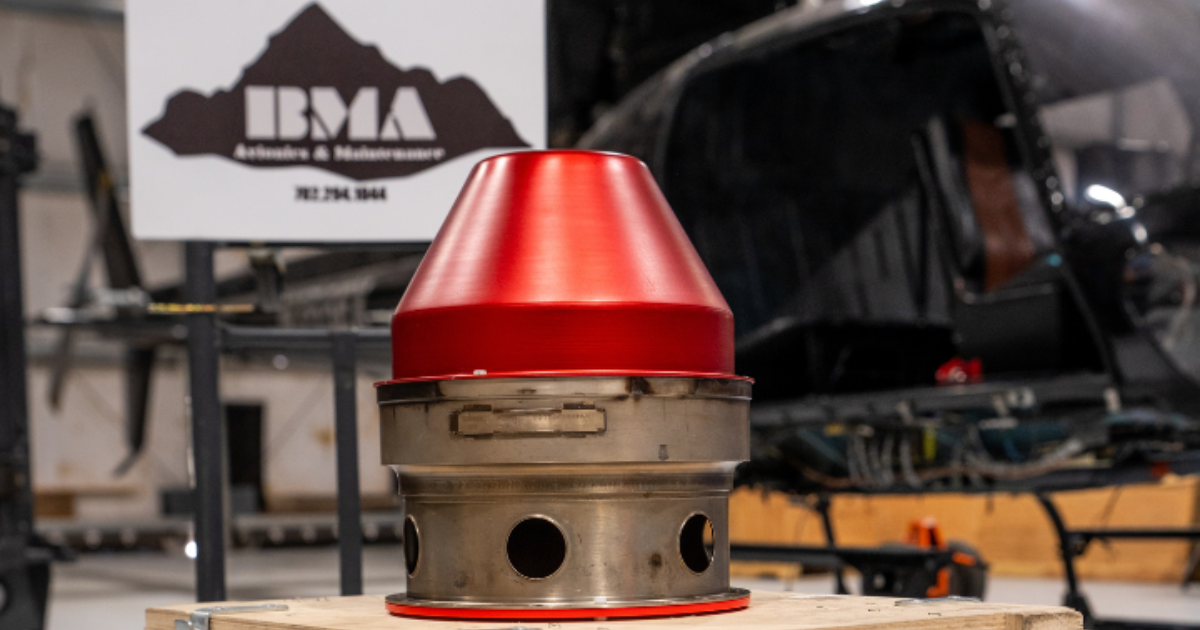
Safran aircraft component repair involves evaluating and addressing discrepancies in eligible aircraft engine components using applicable maintenance procedures, approved or acceptable technical data, and appropriately authorized personnel or facilities. The purpose is to restore a component to the condition required for its intended service, provided the applicable repair criteria can be satisfied.
Safran Arriel engines are installed on several Airbus helicopter configurations, including aircraft within the AS350 and EC130 families. These engines incorporate multiple modules and accessories that require maintenance according to their specific configurations, operating histories, and approved maintenance instructions.
Depending on the component and authorized maintenance capabilities, servicing may involve inspection, repair, replacement, or overhaul. Components should never be considered interchangeable simply because they belong to the same engine family.
For operators researching aircraft engine component services in Boulder City, understanding component eligibility and serviceability is essential before requesting maintenance or purchasing replacement equipment.
Repair, Replace or Exchange: What Is the Difference?
The three approaches address similar maintenance needs but differ in turnaround time, cost structure, inventory requirements, and operational flexibility.
Maintenance option
How it works
Key consideration
Repair
The original component is evaluated and corrected when eligible
Repair scope and turnaround
Replacement
The existing component is removed and another eligible component is installed
Acquisition cost and availability
Exchange
A serviceable replacement is supplied under an exchange arrangement, generally with a return-core obligation
Exchange terms and core eligibility
The appropriate option depends on the component's condition, technical requirements, operational schedule, and availability of suitable replacements. No single option is automatically the least expensive or fastest in every situation.
When Does Repair Make Sense?
Repair may be appropriate when the component remains within allowable maintenance limits and the required work can be completed by a properly authorized maintenance provider. This approach can allow operators to retain their existing component while addressing identified discrepancies.
Before selecting repair, maintenance personnel should determine whether the component is eligible for the proposed work and whether required materials, technical instructions, and facilities are available. The operator should also consider how long the aircraft may remain unavailable while the component moves through inspection, repair, and testing.
Repair can be attractive when the work is straightforward and the estimated turnaround supports operational requirements. However, additional discrepancies discovered during inspection or disassembly may change the original scope and cost.
When Is Replacement the Better Option?
Replacement may be appropriate when repair is not technically permitted, the component has reached an applicable retirement limit, the repair is uneconomical, or a suitable serviceable replacement is readily available.
The replacement component must be eligible for installation on the specific aircraft and engine configuration. Its maintenance status, applicable life limits, service bulletins, and airworthiness directive compliance must also be evaluated.
Although outright replacement can involve a higher initial acquisition cost, it may simplify maintenance planning when an appropriate component is available. Operators should compare the full acquisition and installation costs rather than assuming replacement is necessarily more expensive than repair.
How Does Component Overhaul Exchange Work?
A component overhaul exchange allows an operator to obtain an eligible serviceable component in exchange for returning an existing unit under agreed commercial terms. Instead of waiting for the original component to complete an overhaul process, the operator may be able to install an available replacement while the returned core is processed separately.
Exchange programs may involve core charges, return deadlines, condition requirements, and additional fees for damaged or unacceptable components. These terms vary by supplier and must be reviewed before committing.
For operators managing time-sensitive aircraft operations, component overhaul exchange can reduce downtime when a compatible, properly documented unit is available. Black Mountain Aviation offers component overhaul exchange services as part of its specialized rotorcraft support capabilities.
How Does Component Condition Affect the Decision?
Component condition is one of the most important factors when determining whether repair, replacement, or exchange is appropriate. A discrepancy identified during routine maintenance may require a different response than damage discovered after an unexpected mechanical event.
Qualified maintenance personnel should evaluate the component using the applicable manufacturer's instructions, inspection criteria, and maintenance requirements. Relevant considerations may include operating time, cycles, previous repairs, inspection findings, and the component's remaining authorized service life.
For Safran Arriel engine components, maintenance decisions must also account for the specific engine configuration and the technical limitations associated with the affected equipment. A component that is eligible for repair in one situation may require replacement in another.
Operators seeking engine component repair in Boulder City should provide available maintenance records and a clear description of the discrepancy to support an accurate initial assessment.
Why Are Component Documentation and Traceability Important?
Maintenance documentation is essential when evaluating any aircraft engine component, particularly when purchasing, exchanging, or installing previously used equipment.
Operators should verify the component's identity, maintenance history, eligibility, and serviceability before accepting it for installation. Depending on the item and transaction, relevant documentation may include maintenance records, release certificates, inspection findings, life-limited component records, and applicable regulatory compliance information.
FAA Form 8130-3 is commonly associated with aviation component airworthiness approval and return-to-service documentation. However, the FAA specifically explains that possession of the form alone does not automatically authorize installation of a component. The installer remains responsible for verifying eligibility and completing the applicable installation and maintenance records.
Careful documentation review helps operators identify incomplete records, configuration discrepancies, and potential installation issues before they affect aircraft availability. It also provides a clearer foundation for future inspections and component maintenance planning.
How Do Lead Times Influence Safran Component Repair Decisions?
Maintenance turnaround time can be as important as the direct cost of component servicing, particularly for commercial operators working under scheduled contracts or seasonal flight requirements.
A component repair may involve removal, shipping, inspection, disassembly, technical evaluation, replacement of unserviceable items, reassembly, testing, and return transportation. Each stage introduces variables that can affect the final completion date. Availability of specialized replacement parts and the maintenance facility's workload may also influence scheduling.
When comparing options, operators should request realistic turnaround estimates and establish how unexpected findings will be communicated. An exchange component may reduce aircraft downtime if a compatible, serviceable unit is immediately available, while an outright replacement may be preferable when the existing component has extensive damage or limited remaining service life.
The most effective approach is to compare the anticipated aircraft downtime for each option rather than focusing exclusively on the estimated maintenance completion date.
What Determines the Cost of Safran Aircraft Component Services?
The overall cost of Safran component maintenance depends on several factors, including component condition, required repairs, replacement availability, labor, transportation, and documentation requirements.
A repair quotation may initially appear less expensive than an exchange or replacement, but additional findings can change the total expense. Operators should also consider indirect costs associated with aircraft downtime, especially when lost availability affects scheduled flights or contractual obligations.
For operators evaluating Safran aircraft repair in Boulder City, the following factors are worth comparing:
- Inspection, repair, overhaul, and testing costs
- Replacement or exchange component availability
- Shipping, handling, and transportation expenses
- Return-core requirements and potential charges
- Installation labor and applicable maintenance documentation
- Aircraft downtime and operational scheduling impacts
A complete financial comparison should consider both the immediate maintenance expenditure and the operational consequences of each option. The lowest initial quotation does not always represent the lowest overall cost.
How Can Operators Evaluate Safran Modules and Accessories?
Safran Arriel engines use specialized modules and accessories that support engine operation. The appropriate maintenance approach depends on the specific component, its configuration, maintenance history, and the instructions applicable to that equipment.
Operators assessing Safran accessories should begin by establishing the exact component identity and identifying any applicable inspection or replacement requirements. Fuel-control equipment, valves, engine modules, and related assemblies can have different maintenance limitations and serviceability criteria.
In addition, any proposed replacement or exchange must be evaluated for compatibility with the installed engine. Maintenance personnel should consult current manufacturer technical data and applicable regulatory instructions rather than relying solely on a supplier's description of the component.
Black Mountain Aviation provides services and inventory support associated with Safran Arriel engine systems, including component replacement and exchange solutions. Its existing technical resources address engine modules, accessories, and component maintenance for operators using supported Airbus helicopter configurations.
Why Component Planning Matters for Southern Nevada Helicopter Operators
Helicopter operations throughout Southern Nevada can involve demanding schedules, high temperatures, challenging terrain, and specialized mission requirements. Commercial sightseeing operators, utility companies, private owners, and contracted aviation businesses may have different maintenance priorities, but all benefit from reliable component planning.
Operators working near Las Vegas, Henderson, and Boulder City should consider component availability when preparing for periods of higher aircraft utilization. Reviewing upcoming maintenance requirements and identifying potential replacement needs can help reduce disruptions when an aircraft is needed for scheduled operations.
For fleet managers, coordinating maintenance records, component status, and supplier availability supports more predictable maintenance decisions. It also allows maintenance personnel to evaluate potential repair or exchange options before a discrepancy becomes an urgent aircraft-on-ground situation.
Why Choose Black Mountain Aviation for Safran Component Services?
Black Mountain Aviation operates from Boulder City Municipal Airport and provides specialized maintenance support for rotorcraft operators throughout Nevada and the Southwestern United States.
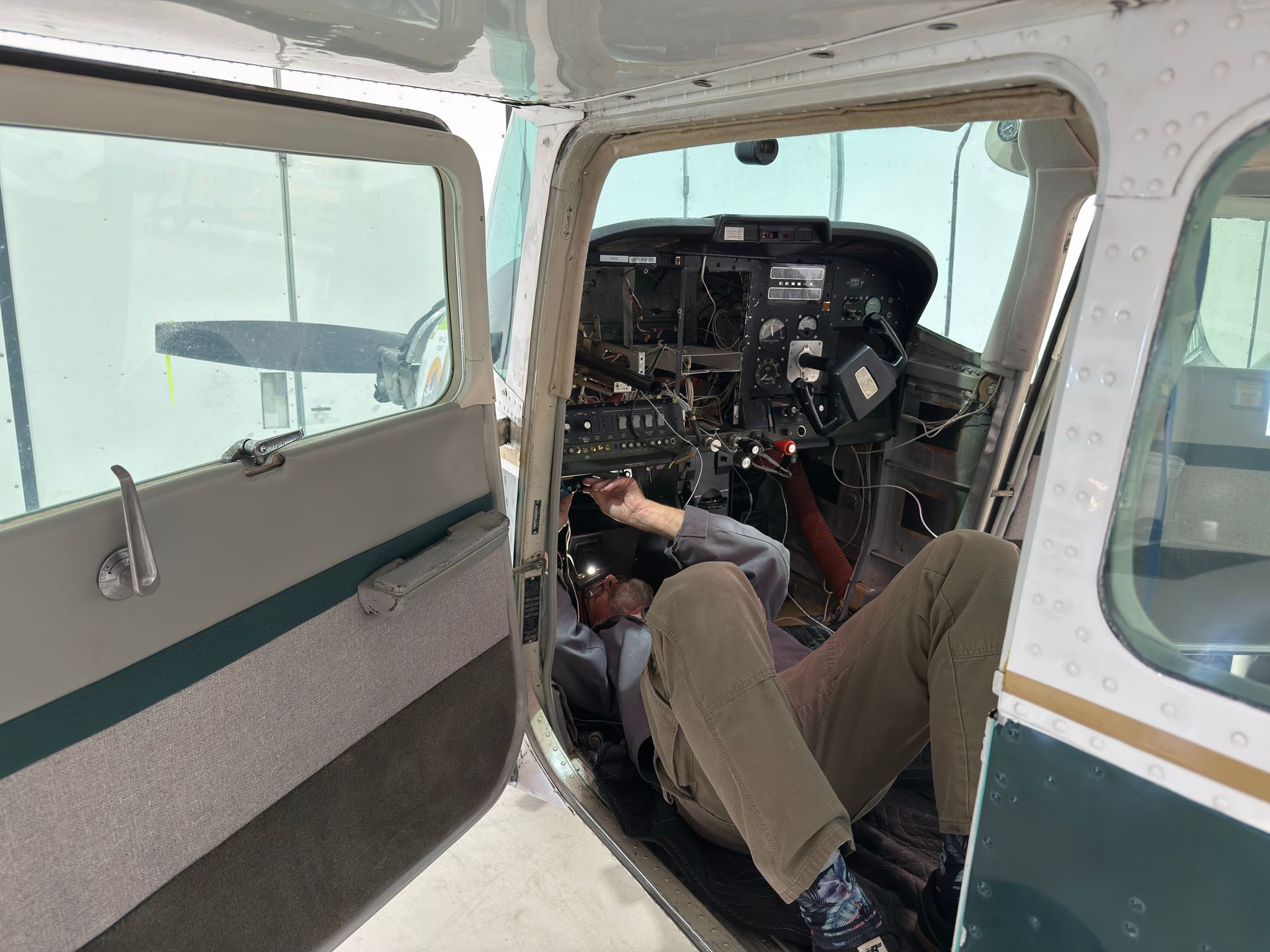
As an FAA-certified Part 145 repair station, Black Mountain Aviation offers helicopter maintenance, aircraft component services, avionics support, and component overhaul exchange options. The company's technical background includes Airbus helicopter maintenance and experience with Safran Arriel engine systems.
For aircraft owners seeking Safran aircraft component repair in Boulder City, having access to experienced maintenance personnel and aviation component resources can simplify the process of evaluating potential solutions. Whether a component requires inspection, repair assessment, replacement, or exchange, the first step is identifying the exact maintenance requirement and confirming the appropriate service pathway.
Individual component availability, pricing, turnaround times, and repair capabilities should be confirmed directly based on the specific item and aircraft configuration.
Frequently Asked Questions About Safran Aircraft Component Repair
Is it better to repair or replace a Safran engine component?
The preferred option depends on component condition, applicable maintenance limits, repair costs, replacement availability, and operational downtime. Repair may be practical when the component is eligible for approved servicing, while replacement may be necessary when damage or service-life limitations prevent continued use.
What is a Safran component exchange?
A component exchange arrangement generally allows an operator to obtain an eligible serviceable replacement while returning an existing component under agreed conditions. Exchange programs may reduce aircraft downtime when a suitable replacement is available, but core requirements, fees, and documentation must be reviewed.
What paperwork should accompany an aircraft engine component?
Documentation depends on the component and transaction, but may include maintenance history, component identification, serviceability records, life-limit information, and an applicable authorized release certificate. The installer must still establish installation eligibility and comply with relevant maintenance requirements.
How long does Safran component repair take?
Repair duration varies according to component condition, required work, replacement parts, shop scheduling, testing, and transportation. Operators should request an estimate based on the actual component rather than relying on a universal turnaround time.
Where can I inquire about Safran aircraft component repair in Boulder City?
Black Mountain Aviation provides aircraft maintenance, component servicing, and exchange solutions from Boulder City Municipal Airport in Nevada. Operators can contact the company to discuss component identification, available services, repair possibilities, replacement inventory, and applicable exchange arrangements.
Contact Black Mountain Aviation for Safran Aircraft Component Services
Choosing between repair, replacement, and exchange requires a careful review of technical requirements, component condition, documentation, availability, and operating costs. A well-informed decision can help helicopter operators manage maintenance expenditures while reducing avoidable downtime and maintaining appropriate airworthiness standards.
Black Mountain Aviation supports helicopter owners, fleet managers, and aviation businesses with aircraft engine component services in Boulder City, Safran engine maintenance support, and component overhaul exchange solutions. Its experience with rotorcraft maintenance and specialized aviation components provides operators with a resource for evaluating maintenance requirements and available options.
If your aircraft requires component inspection, servicing, replacement, or exchange, contact Black Mountain Aviation to discuss your aircraft configuration, maintenance needs, and potential solutions.
Black Mountain Aviation
1411 Airport Road, Suite 100 Boulder City, NV 89005
Phone: (702) 294-1044
Website: www.bmaviation.net